TOULOUSE- Airbus has grounded 6,000 A320 family aircraft after identifying a software vulnerability that can be triggered by intense solar radiation. The move affects airlines worldwide, including major carriers in the United States and India
The emergency order follows an October 2025 incident involving JetBlue (B6), when an A320 flying from Cancun (CUN) to Newark (EWR) abruptly nosedived due to corrupted flight control data. Investigators traced the issue to the ELAC 2 computer, prompting immediate action across the global fleet.
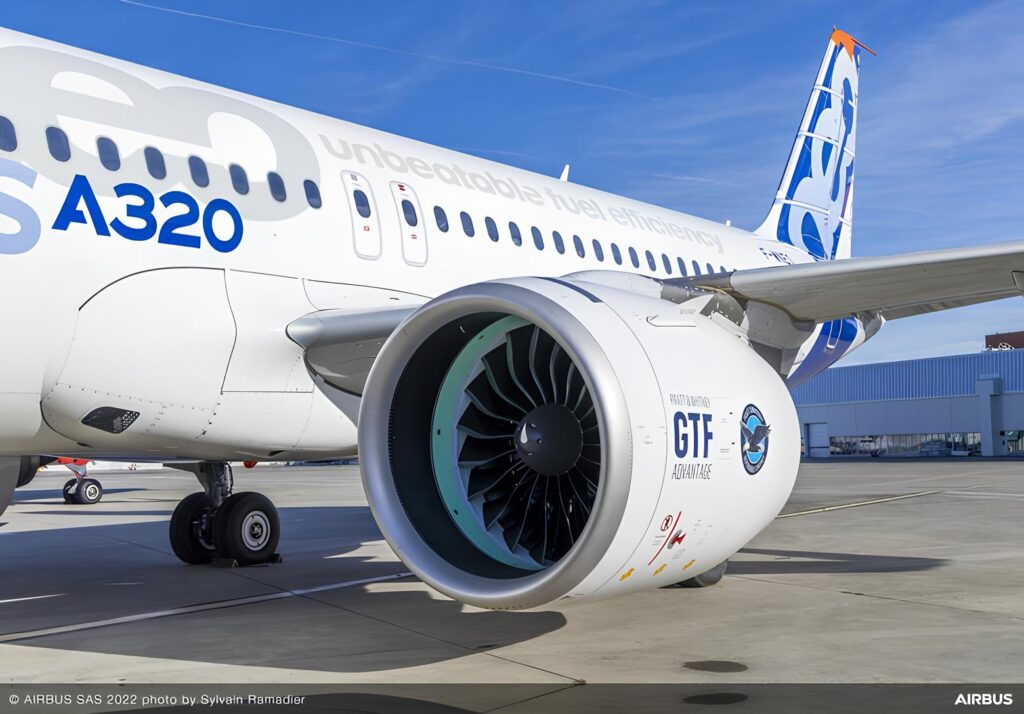
Airbus A320 Grounding Explained
The grounding covers more than half of the active A320 fleet and stands as the largest aircraft recall in Airbus’ 55-year history.
The European Union Aviation Safety Agency (EASA) issued an emergency directive prohibiting affected aircraft from flying until software fixes are applied. Airlines across North America, Europe, Asia, and Latin America have since reported widespread delays and cancellations.
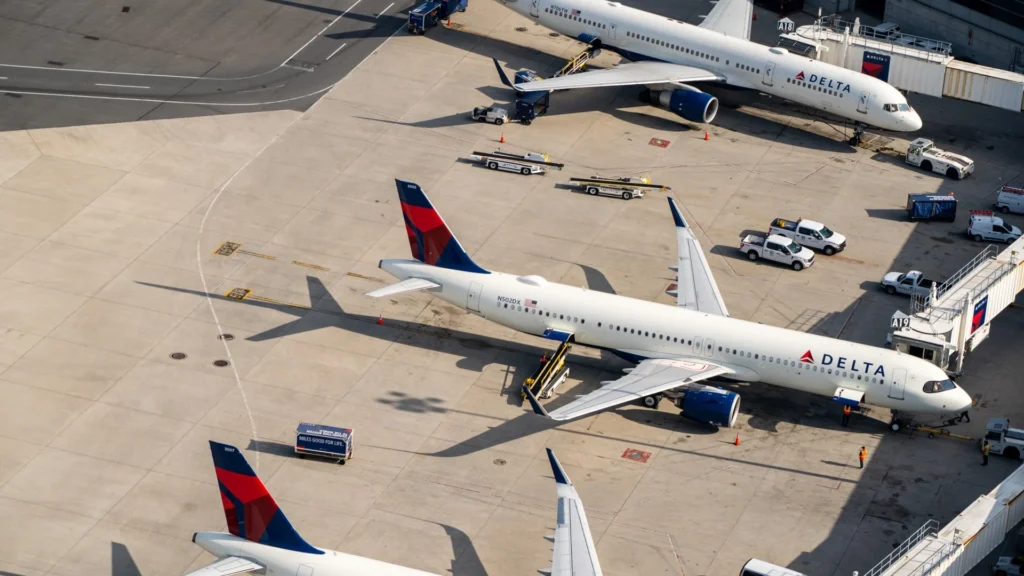
The scope of disruption is significant. American Airlines (AA), Delta (DL), United (UA), and JetBlue (B6) have all confirmed service impacts during a peak travel period.
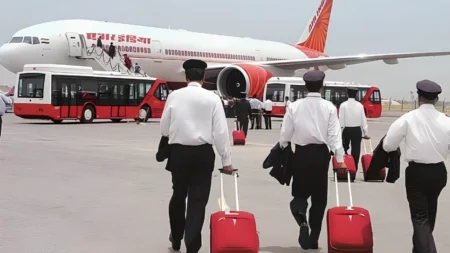
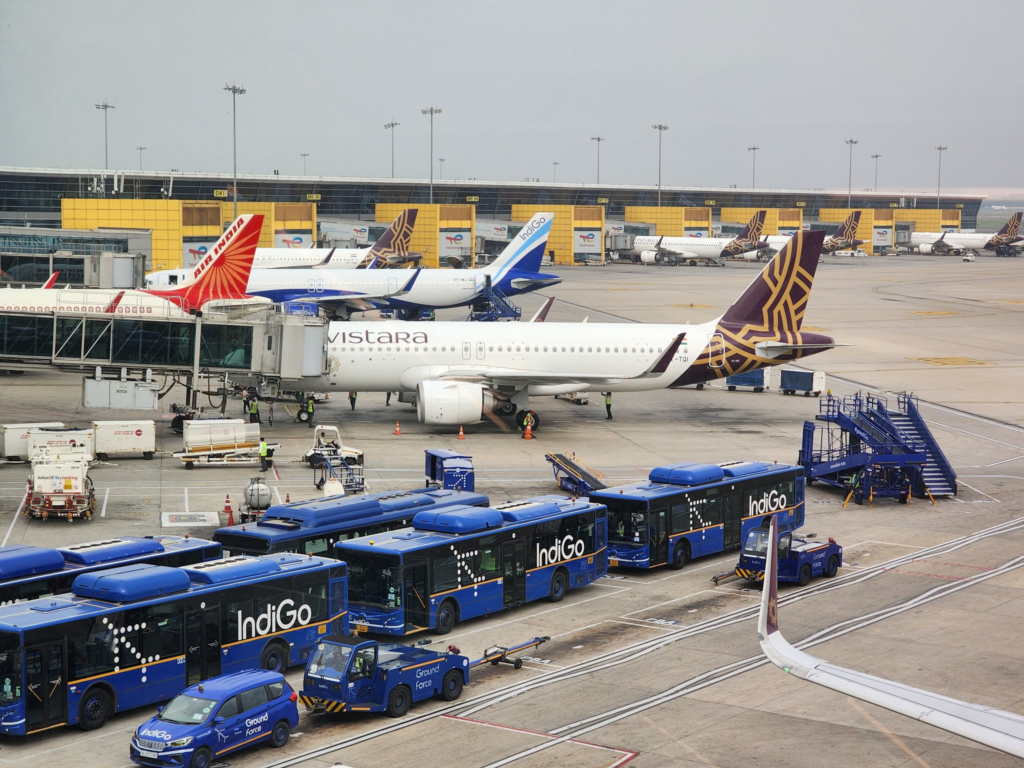
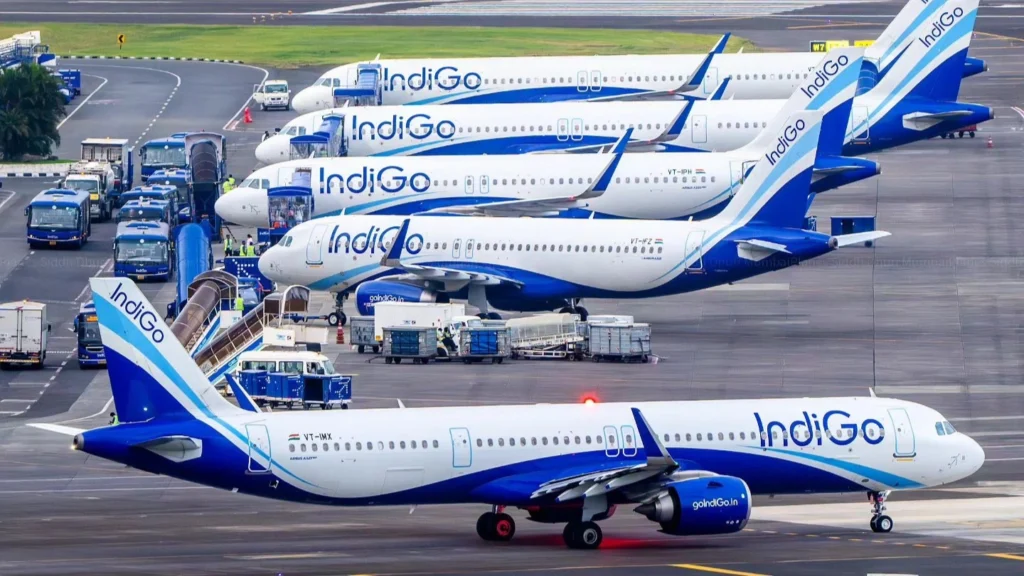
IndiGo (6E) and Air India (AI) warned of schedule changes across major Indian airports such as Delhi (DEL) and Mumbai (BOM). ANA (NH) in Japan cancelled dozens of domestic flights, while Avianca (AV) temporarily halted ticket sales after determining most of its A320 fleet required immediate intervention.

How the Radiation-linked Failure Occurs
The A320 family introduced fly-by-wire controls at scale, shifting from mechanical linkages to digital systems. This design relies heavily on the integrity of electronic flight control units such as ELAC, which manages aileron and elevator movements.
Solar storms release charged particles that increase atmospheric radiation at cruising altitudes. When these particles interact with onboard electronics, they can corrupt data flows essential to stable flight. In the JetBlue case, corrupted ELAC inputs triggered an uncommanded pitch event, forcing the crew to divert to Tampa (TPA).
Thales, the ELAC hardware manufacturer, stated that the affected behavior stems from software functions outside its responsibility and confirmed full compliance with Airbus certification requirements.
The Fix and Why Some Aircraft Will Be Grounded Longer
Repair plans differ depending on aircraft age and configuration. About 4,000 aircraft will receive a software rollback that can be completed in a few hours.
The remaining 1,000 older jets require hardware replacements. Parts availability, maintenance capacity, and existing industry bottlenecks will push some aircraft into extended downtime.
Carriers continue to balance the immediate operational load. EasyJet (U2) reported completing updates early and expects normal operations to resume. Air Canada (AC) stated that only a small portion of its fleet used the vulnerable software version.
Global Impact
The timing adds pressure to an aviation sector already strained by maintenance backlogs and an ongoing supply chain crunch. Several Airbus models remain grounded for separate engine issues, and the sudden A320 recall intensifies workforce and facility demands.
The situation also interrupts Airbus’s recent milestone when the A320 surpassed the Boeing 737 as the most-delivered aircraft ever built.
Safety regulators and manufacturers have emphasized that fast, coordinated action is central to the aviation sector’s reliability. Airbus expressed regret for operational disruption and reiterated that fleet safety remains the company’s top priority.
Stay tuned with us. Further, follow us on social media for the latest updates.
Join us on Telegram Group for the Latest Aviation Updates. Subsequently, follow us on Google News