MOSCOW- Russia has notified global aviation authorities of a planned missile launch that could disrupt one of the busiest transatlantic air corridors.
Airlines operating between North America and Europe are preparing for delays, rerouting, and higher operational costs.
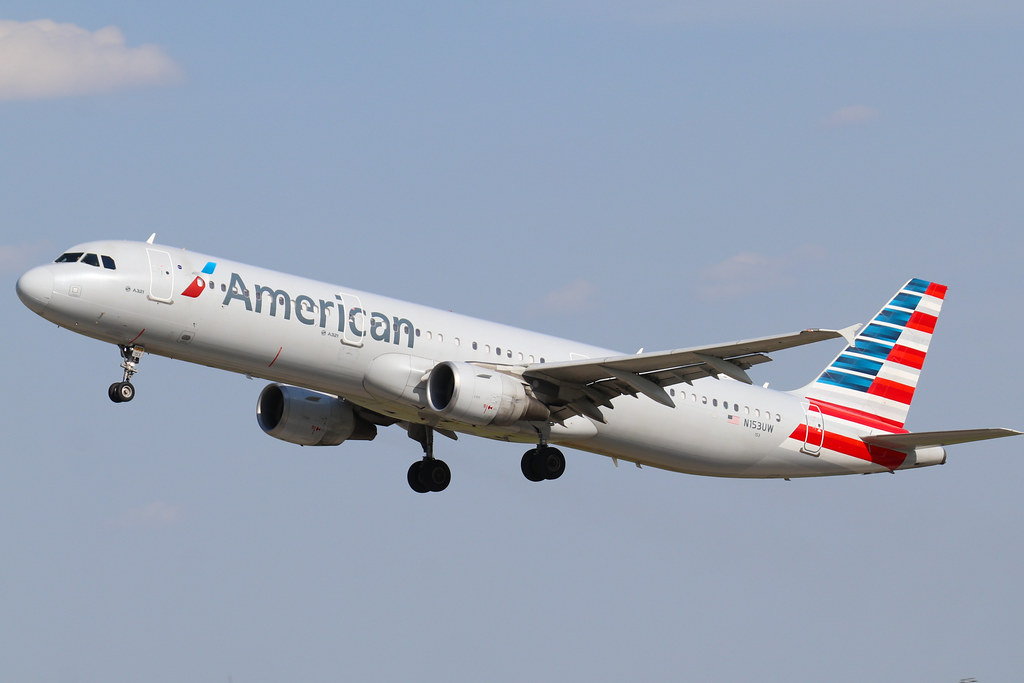
The warning affects major transatlantic operators such as American Airlines (AA), with services linking Philadelphia (PHL) and Edinburgh (EDI), as the projected impact area sits directly within established North Atlantic flight paths.

Russia Missile Launch Disrupts Air Corridor
Russia’s national space agency, ROSCOSMOS, has informed European and North American aviation regulators that it plans to conduct a missile launch on Sunday.
Current projections indicate the missile could splash down in the mid-North Atlantic, creating a temporary but serious hazard for civilian aircraft.
According to PYOK, the expected dropdown area lies within the Gander Flight Information Region, a critical section of oceanic airspace used daily by aircraft crossing between North America and Europe.
This region forms a core part of the North Atlantic Tracks, which are essential for managing traffic in a highly congested but largely non-radar environment.
Much of the North Atlantic lacks continuous radar coverage, making traditional air traffic control methods impossible.
To maintain safety and efficiency, the North Atlantic Tracks were established as published flight routes that ensure proper aircraft separation.
These tracks function like a freeway in the sky, guiding aircraft along defined corridors. Unlike fixed roadways, however, the tracks change daily based on prevailing wind conditions, allowing airlines to reduce fuel burn and flight time while maintaining safe spacing between aircraft.

NOTAM and Hazard Window
Pilots have been warned through a Notice to Airmen of a rocket hazard area located directly within the mid-North Atlantic NAT region. The hazard is active from December 28 through December 30 and includes the following coordinates:
AIRSPACE RESERVATION: LINE: 4800N 03000W to 5500N 03000W, Within oceanic airspace, separation standards will be applied as follows: 30 nautical miles in MNPS and NAT High Level Airspace, and 60 nautical miles in non-MNPS airspace.
Flights may be required to divert around the restricted area to prevent any risk of collision with falling debris.

Previous Missile Tests
This is not the first time Russian missile activity has affected commercial aviation. In September, a separate missile test created a rocket hazard zone covering approximately 68,000 square miles, an area comparable in size to Washington state or England and Wales.
That restricted zone was positioned within a busy Pacific oceanic corridor used by airlines flying between Asia and the United States. As a result, numerous flights were forced to make detours exceeding 300 miles, leading to longer flight times and increased fuel consumption.
Specialized Pilot Qualifications
Flying across the North Atlantic requires pilots to hold a specific oceanic qualification due to the unique operating environment.
Training covers non-radar procedures, compliance with North Atlantic Track systems, identification of suitable diversion airports, and the use of high-frequency voice communications.
In preparation for introducing Airbus A321XLR aircraft on transatlantic routes, American Airlines conducted 42 empty training flights between Philadelphia (PHL) and Edinburgh (EDI).
These flights were used to qualify check pilots, who will then train base pilots scheduled to operate North Atlantic services.
Stay tuned with us. Further, follow us on social media for the latest updates.
Join us on Telegram Group for the Latest Aviation Updates. Subsequently, follow us on Google News