SINGAPORE- Lockheed Martin projects a sharp rise in fifth-generation fighter strength among US allies in the Asia-Pacific. Speaking at the Singapore Airshow at Singapore Changi Airport (SIN), a senior executive said the region could field close to 300 F-35 Lightning II aircraft by 2035.
The forecast reflects accelerating deliveries and deeper military cooperation among allied nations facing a more complex security environment. Lockheed Martin executives said the growing fleet highlights both record production levels and expanding operational integration across the Asia-Pacific.
Lockheed Martin F-35 Demand Surge
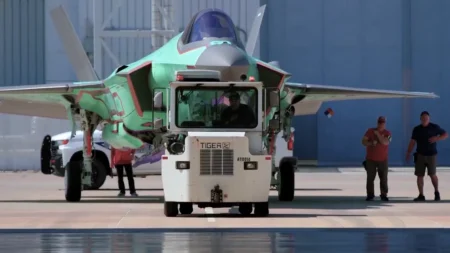
Lockheed Martin recorded its highest-ever annual output of the F-35 program last year, delivering 191 aircraft worldwide. The company now expects to deliver about 156 jets this year, a level it describes as a sustainable production balance.
Executives said rising demand from allied air forces has driven steady output despite global supply chain pressures. The Asia-Pacific is emerging as one of the most important destinations for these deliveries due to its strategic geography and security priorities.
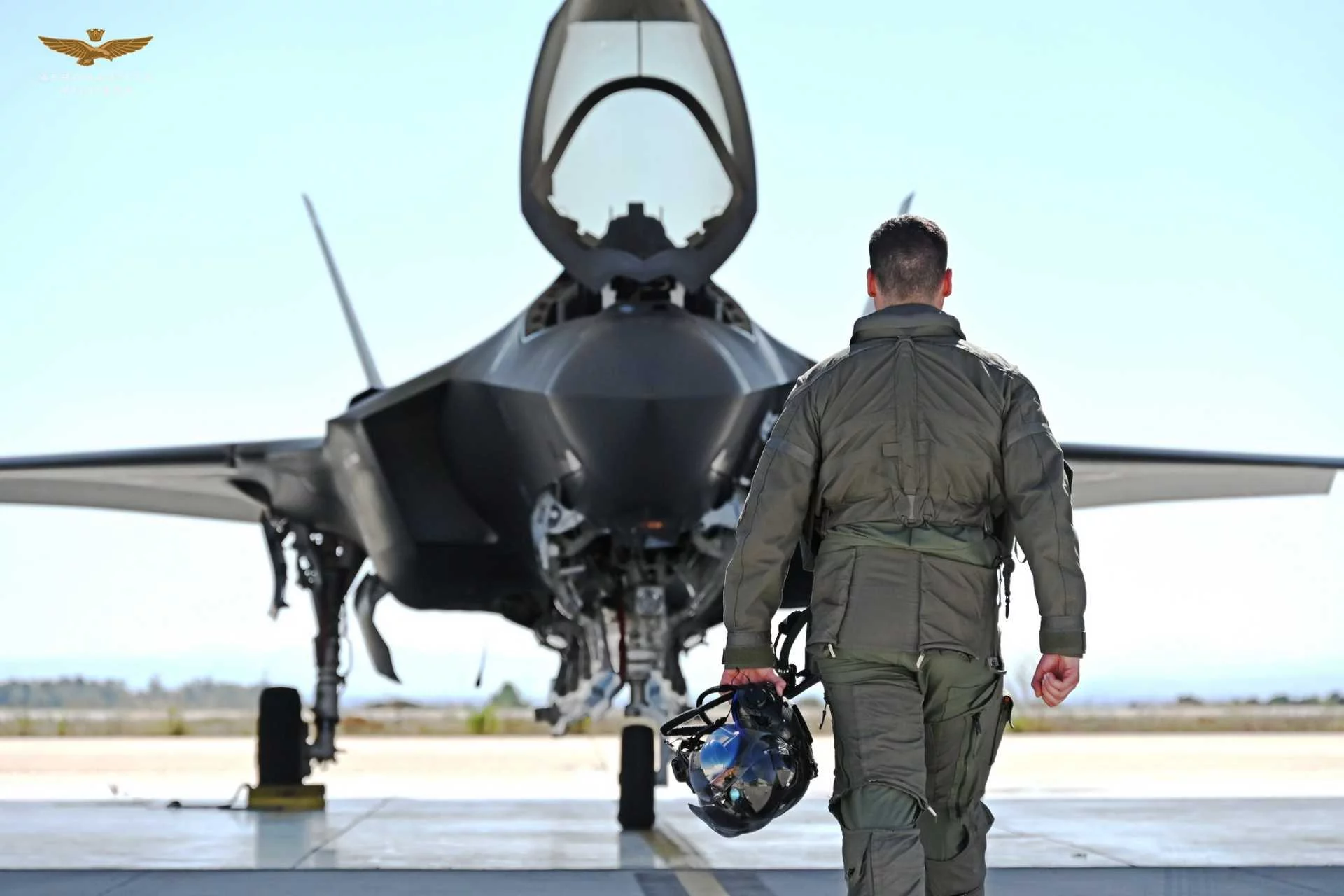
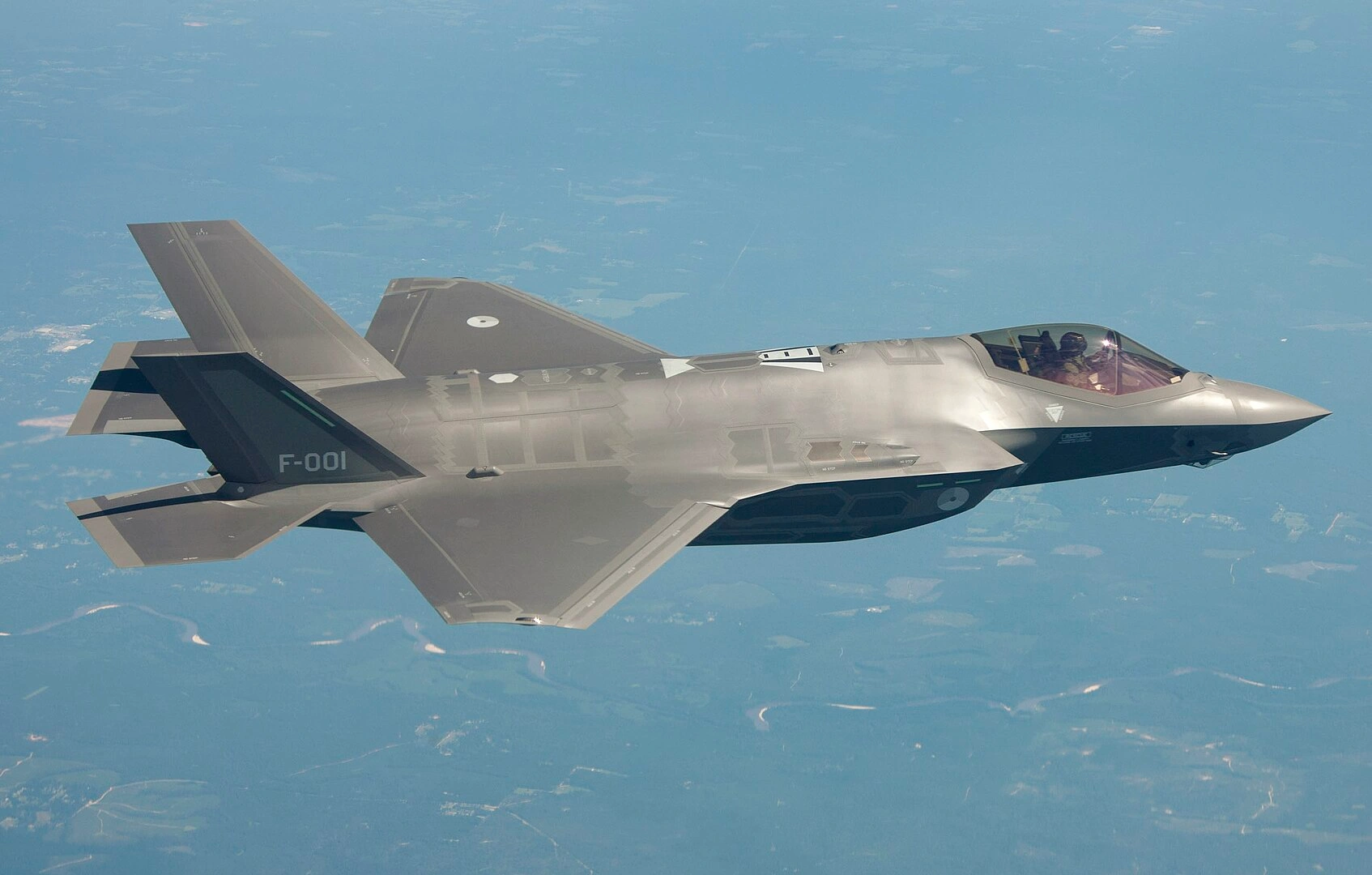
The F-35 combines stealth design, advanced sensors, integrated avionics, and networked data-sharing capabilities. These features allow allied air forces to operate as a single, interoperable force across air, sea, and land domains.
Asia-Pacific Operators
Four key US allies currently operate the F-35 in the Asia-Pacific: Australia, Japan, Singapore, and South Korea. These nations form the backbone of regional fifth-generation fighter operations and participate in frequent joint exercises.
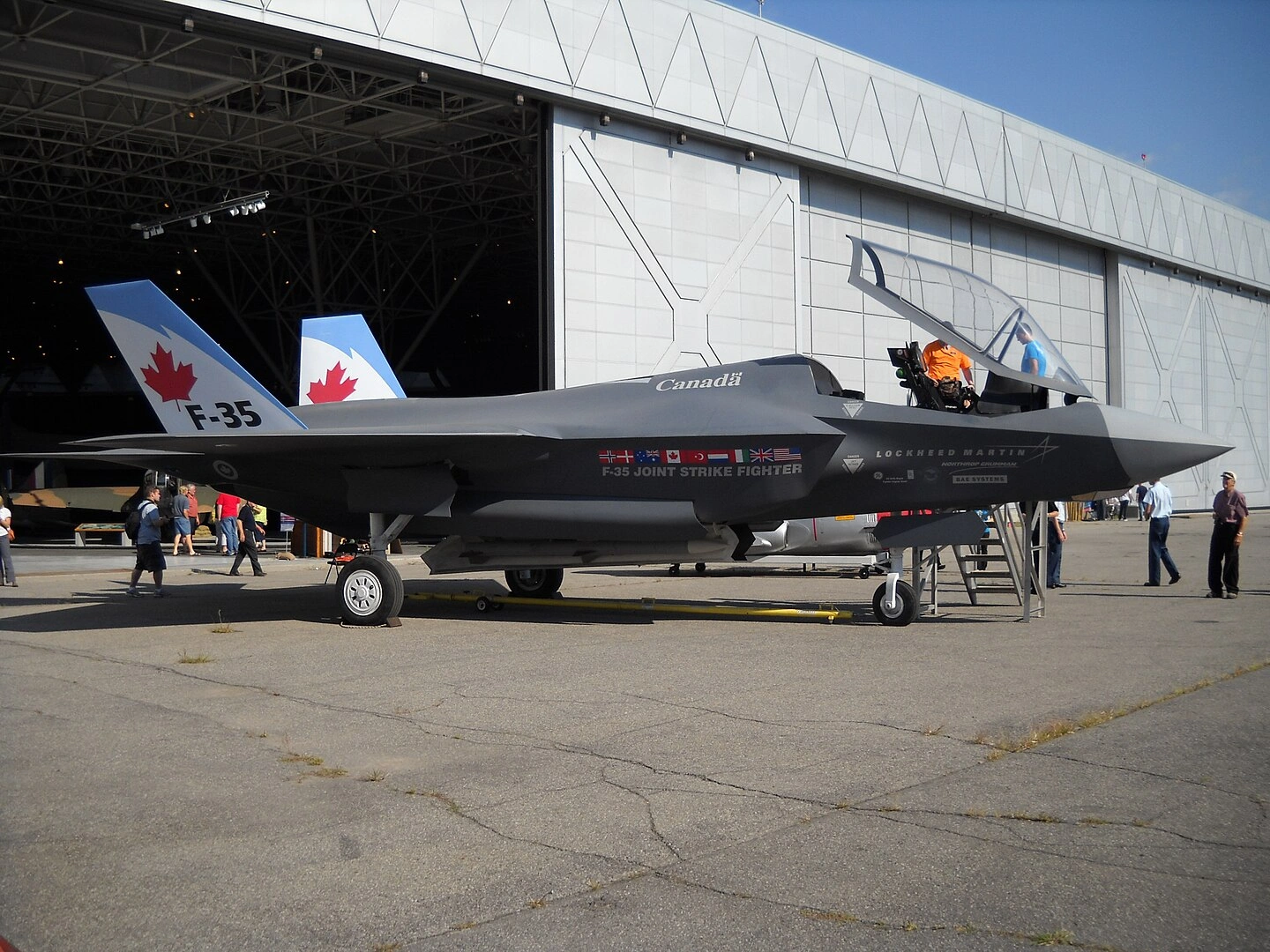
Japan and Singapore have ordered both the F-35A conventional take-off variant and the F-35B short take-off and vertical landing variant. The F-35B offers added flexibility for operations from amphibious ships and remote airfields.
Japan is expected to become the world’s second-largest F-35 operator after the United States.
Australia has completed deliveries of 72 aircraft and declared full operational capability, while South Korea operates 40 F-35As and is considering additional purchases, the South China Morning Post reported.
Regional Security Impact
Lockheed Martin executives linked the expanding F-35 fleet to growing security challenges in the region. China’s rapid development of advanced fighter aircraft has reshaped regional airpower dynamics over the past decade.
Fifth-generation fighters offer superior situational awareness and survivability compared with older platforms. Their ability to share real-time data enhances air superiority and joint mission effectiveness during high-end operations.
The company also highlighted progress in sustainment infrastructure across the region. Japan is converting its final assembly facility into a maintenance, repair, and overhaul center, strengthening long-term support for allied fleets.
Executives said interoperability, not just aircraft numbers, defines the F-35’s strategic value.
Regular multinational exercises aim to ensure pilots, maintainers, and command systems can operate seamlessly in contested environments.
Lockheed Martin described the F-35 as the only fifth-generation fighter available on the global export market. The company said partnerships in the Asia-Pacific continue to deepen as allies focus on readiness, resilience, and collective defense.
Bottom Line
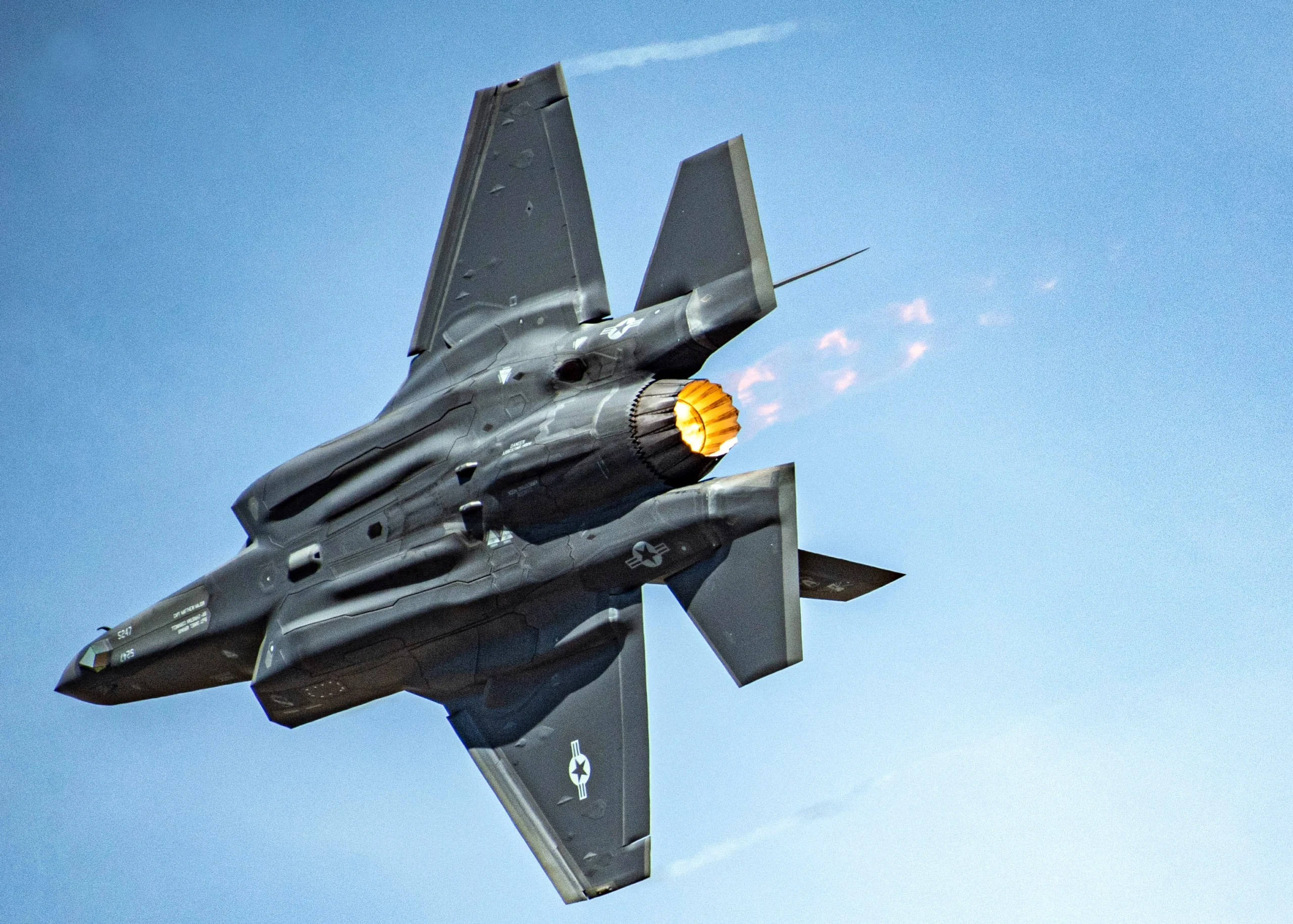
Record F-35 deliveries are rapidly strengthening the collective airpower of US allies across the Asia-Pacific, with interoperability now matching fleet growth in strategic importance.
As Australia, Japan, Singapore, and South Korea expand and mature their fifth-generation fighter capabilities, the focus has shifted from acquisition to readiness, sustainment, and joint operations.
With nearly 300 F-35s projected in the region by 2035, the aircraft has become a central pillar of allied deterrence and air superiority in an increasingly contested security environment.
Stay tuned with us. Further, follow us on social media for the latest updates.
Join us on Telegram Group for the Latest Aviation Updates. Subsequently, follow us on Google News