MUMBAI- Qantas Airways (QF) and Thai AirAsia (FD) have announced significant reductions to their India flight operations as surging jet fuel prices pressure airline profitability worldwide.
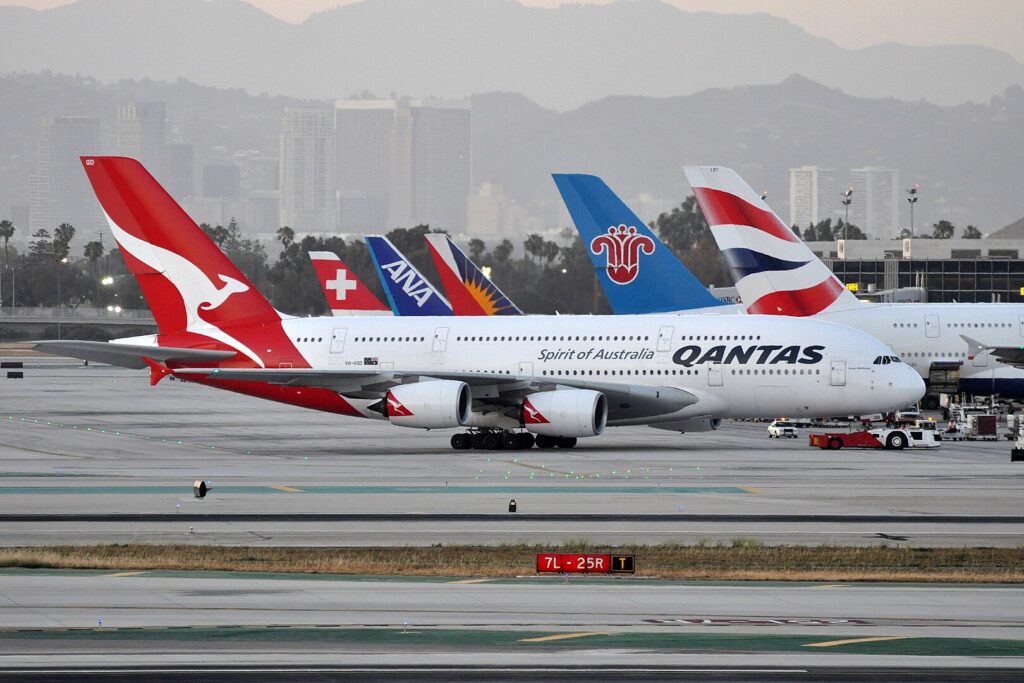
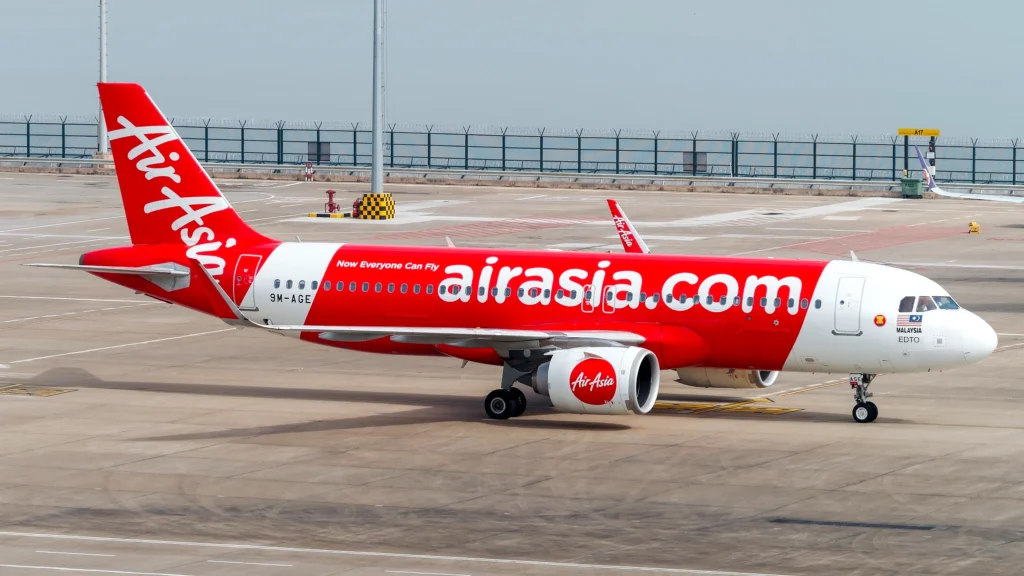
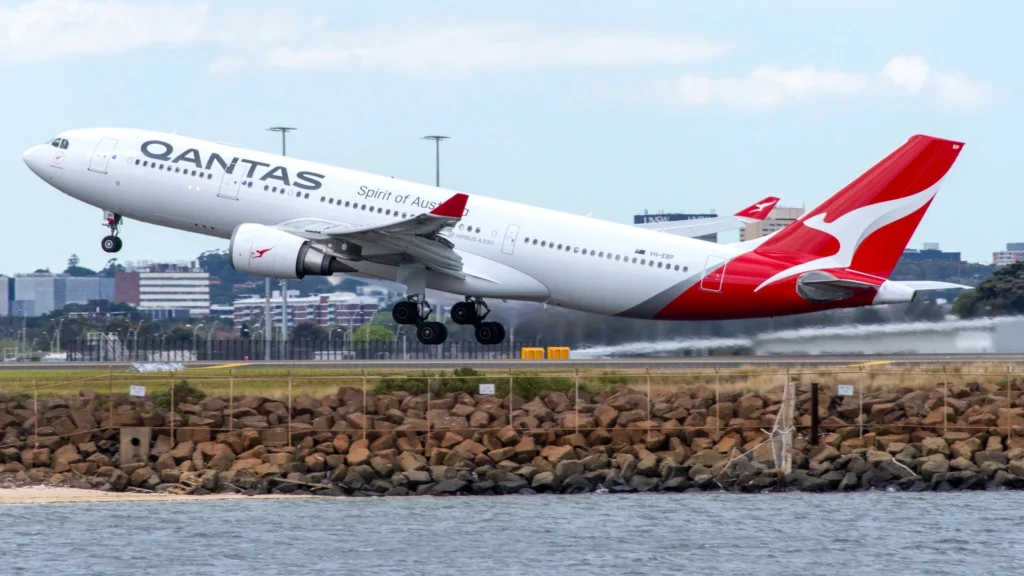
Qantas (QF) plans to suspend its Sydney (SYD) to Bengaluru (BLR) route from August through the end of October, while Thai AirAsia (FD) will discontinue its Phuket (HKT) to Chennai (MAA) and Phuket (HKT) to Kochi (COK) services entirely.
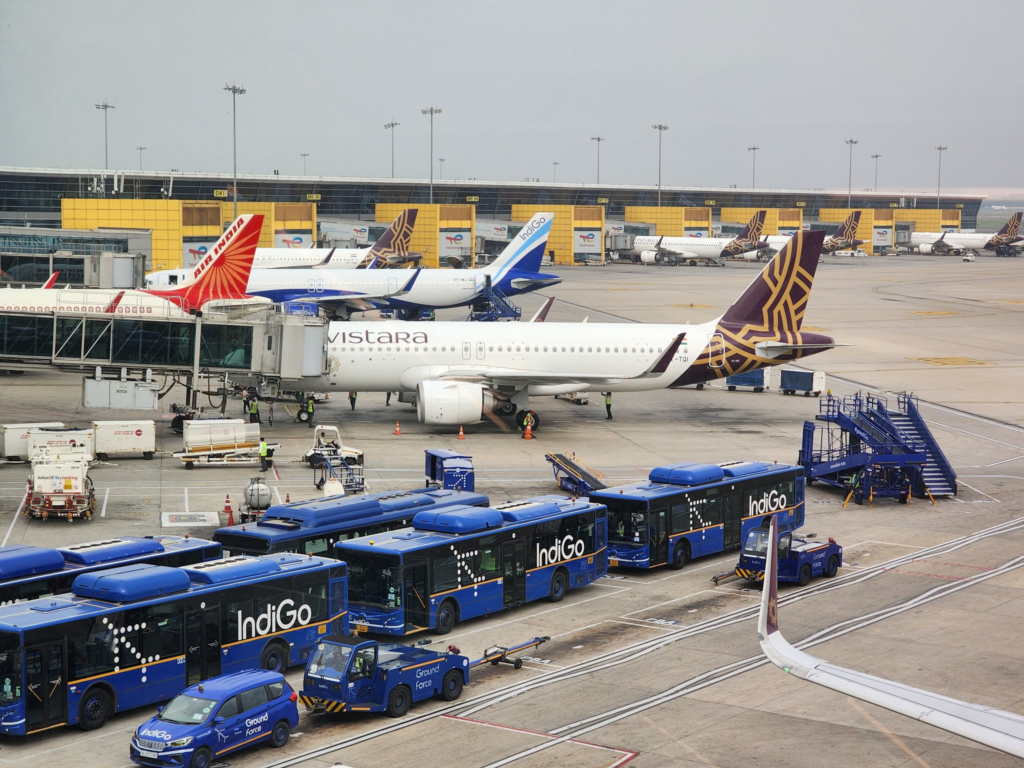
Air India (AI) has also joined the capacity pullback, cutting long-haul frequencies to Europe and North America by 10% to 12%.
The airline plans additional reductions on its Mumbai (BOM) to Tokyo route starting in July, as aviation turbine fuel (ATF) for international operations has nearly doubled in price since March 2025.
Qantas, AirAsia Thailand Cuts India Flights
The sharp rise in jet fuel prices has forced multiple carriers to reassess their India route networks. Qantas (QF) will pause its Sydney-Bengaluru service for roughly three months starting in August to reallocate capacity toward its more profitable European routes.
The Australian flag carrier is also trimming select New Zealand routes as part of a broader network adjustment strategy tied to fuel economics.
Thai AirAsia (FD) faces an even steeper challenge. The low-cost carrier will drop both its Phuket-Chennai and Phuket-Kochi routes, resulting in an overall capacity reduction of 30%.
For a budget airline operating on thin margins, the near-doubling of ATF costs since March has made several India-bound routes financially unviable.
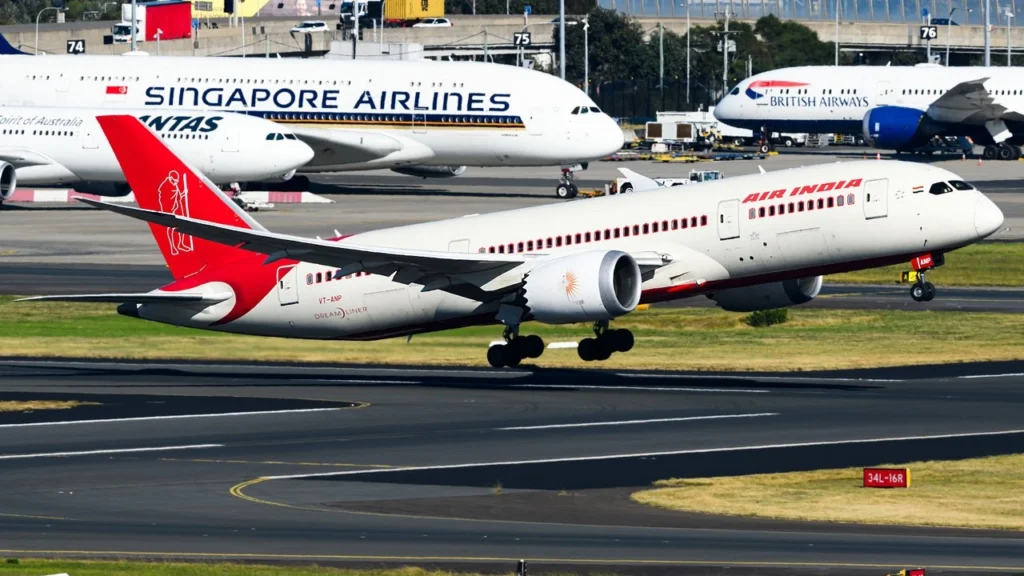
Air India Reduces Long-Haul Frequencies
Air India (AI) is responding to the same fuel cost pressures by scaling down its intercontinental operations.
The Tata-owned carrier has reduced frequencies on European and North American routes by approximately 10% to 12%. Further cuts on the Mumbai-Tokyo route are planned for July.
Air India CEO Campbell Wilson has stated that the frequency reductions are necessary given the combination of elevated fuel prices and complex airspace restrictions. These two factors together have significantly increased operating costs, making it harder for full-service carriers to maintain profitability on long-haul sectors.
Jet Fuel Price Surge Drives Industry-Wide Adjustments
Aviation turbine fuel for international operations has nearly doubled since March 2025, creating one of the most challenging cost environments for airlines in recent years.
Fuel typically accounts for 25% to 35% of an airline’s total operating expenses, so a price spike of this magnitude directly impacts route viability and network planning.
The Indian market, which saw rapid international capacity expansion over the past two years, is now experiencing a correction.
Airlines that aggressively added routes during the post-pandemic recovery period are now forced to rationalize their networks. Routes with lower load factors or higher competitive pressure are the first to be suspended or discontinued.

Impact on Indian Aviation Connectivity
The combined pullback from Qantas, Thai AirAsia, and Air India will reduce international seat capacity on several key routes.
Bengaluru loses its direct link to Sydney for at least three months, while Chennai and Kochi lose direct connectivity to Phuket.
Passengers on these routes will need to rely on connecting flights through hub airports during the suspension period.
Indian carriers with stronger domestic fuel procurement agreements may be better positioned to absorb the cost increases. However, if ATF prices remain elevated through the second half of 2025, further route suspensions and frequency cuts across the industry remain likely.
Stay tuned with us. Further, follow us on social media for the latest updates.
Join us on Telegram Group for the Latest Aviation Updates. Subsequently, follow us on Google News