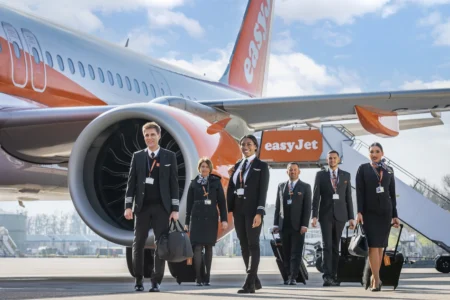
easyJet (U2) is one of Europe’s largest low-cost airlines, operating an extensive short-haul network across the UK, Europe and nearby markets. Headquartered at London Luton Airport, the airline has built a large Airbus fleet and operates from bases across Europe. Its short-haul model also means pilots can generally expect to spend more nights at home than colleagues working for long-haul airlines.
For pilots, easyJet offers a particularly attractive combination of salary, fleet growth, career progression and roster stability. The airline says its pilots have clear opportunities to progress from co-pilot positions into command, as well as into training, safety and management roles.
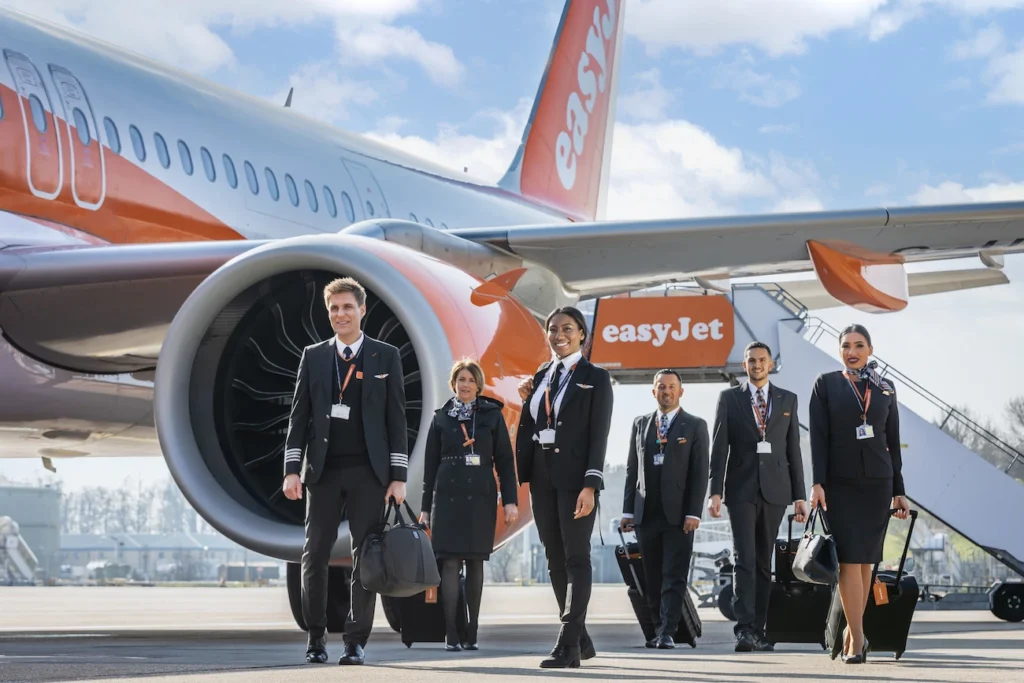
easyJet Pilot Salary in 2026
In 2026, easyJet pilot salaries are primarily determined by rank, seniority, fleet assignment, base and flying activity. The figures below represent estimated annual earnings and can vary between contracts and individual circumstances.
easyJet First Officer Salary
In 2026, an easyJet first officer generally earns between £74,000 and £92,000 per year, approximately USD 100,000 to USD 124,000 annually. The lower end is broadly representative of a newer first officer, while a senior first officer can move towards the upper end of the range as experience and seniority increase.
Current UK-contract pay information places the first officer base figure at around £74,844, with senior first officer pay reaching approximately £91,877.
Actual annual earnings can vary according to flying activity, allowances and the pilot’s position within the seniority structure. easyJet also has several co-pilot entry points, including second officer, first officer and senior first officer, allowing pilots to progress through the ranks as they gain experience.
The airline’s large Airbus operation provides first officers with extensive experience on the A320 family, while its network and fleet growth can create opportunities for faster progression towards command.
easyJet Captain Salary
In 2026, easyJet captains generally earn between £152,000 and £174,000 per year, equivalent to approximately USD 205,000 to USD 235,000 annually. Current UK-contract salary information puts the captain base figure at about £151,534, with the top of the reported scale reaching approximately £174,269.
Senior captains can earn more through additional flying, allowances and specific operational responsibilities. Training and management positions can also provide additional opportunities beyond standard line flying. easyJet’s current recruitment requirements show that experienced type-rated captains need at least 4,000 flying hours, including 1,000 hours as pilot-in-command on the A320.
With the airline actively recruiting experienced captains and continuing to expand its network, command remains an attractive long-term career destination for easyJet pilots.
ALSO READ:
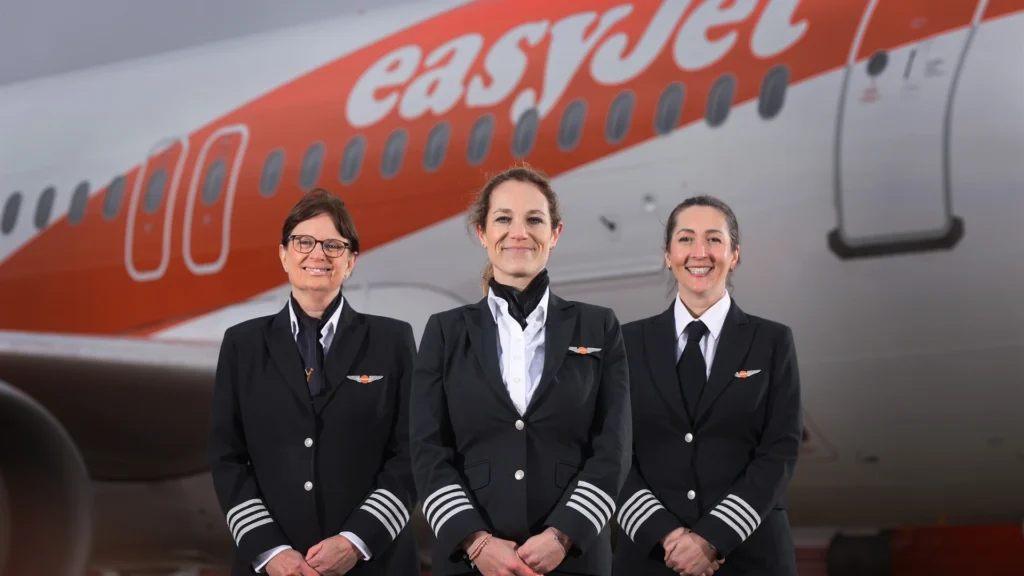
Benefits Enjoyed by easyJet Pilots
easyJet offers its pilots the following benefits.
- Competitive Salary – Pilots receive a strong salary package with progression linked to rank and seniority.
- Travel Benefits – Pilots receive staff travel benefits, allowing them and eligible family members to travel at reduced rates.
- Career Progression – easyJet promotes career development from co-pilot positions towards captain, training, safety and management roles.
- Work-Life Balance – As a predominantly short-haul airline, pilots can expect to spend many nights at home rather than regularly staying away for several days.
- Training And Development – Pilots receive recurrent simulator training, including annual Evidence Based Training and continued professional development.
- Modern Airbus Fleet – Pilots operate a young fleet centred around the Airbus A320 family.
- European Base Options – easyJet has a large network of bases across Europe, providing pilots with opportunities to work from different locations.
- Long-Term Stability – The airline’s large network and continued investment provide opportunities for pilots looking for a stable European airline career.
What Aircraft Do easyJet Pilots Fly?
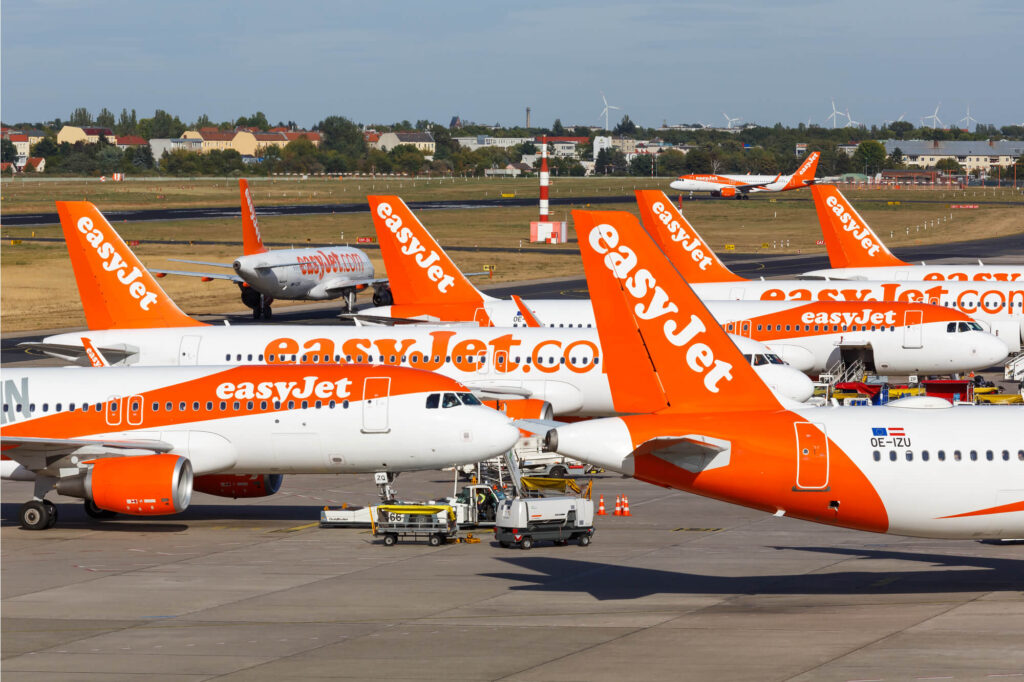
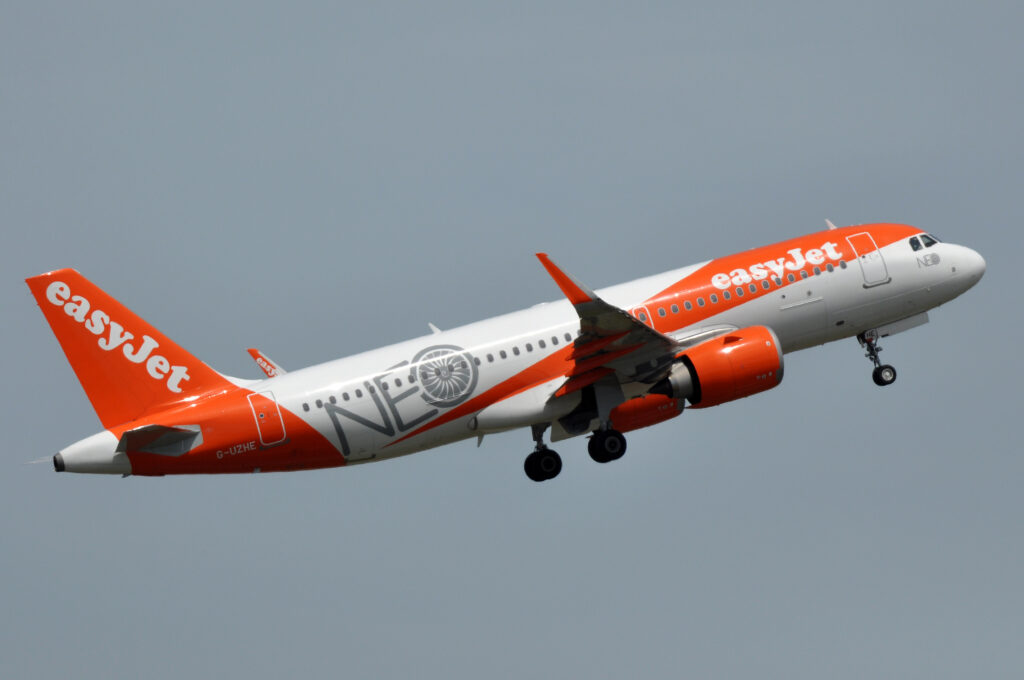
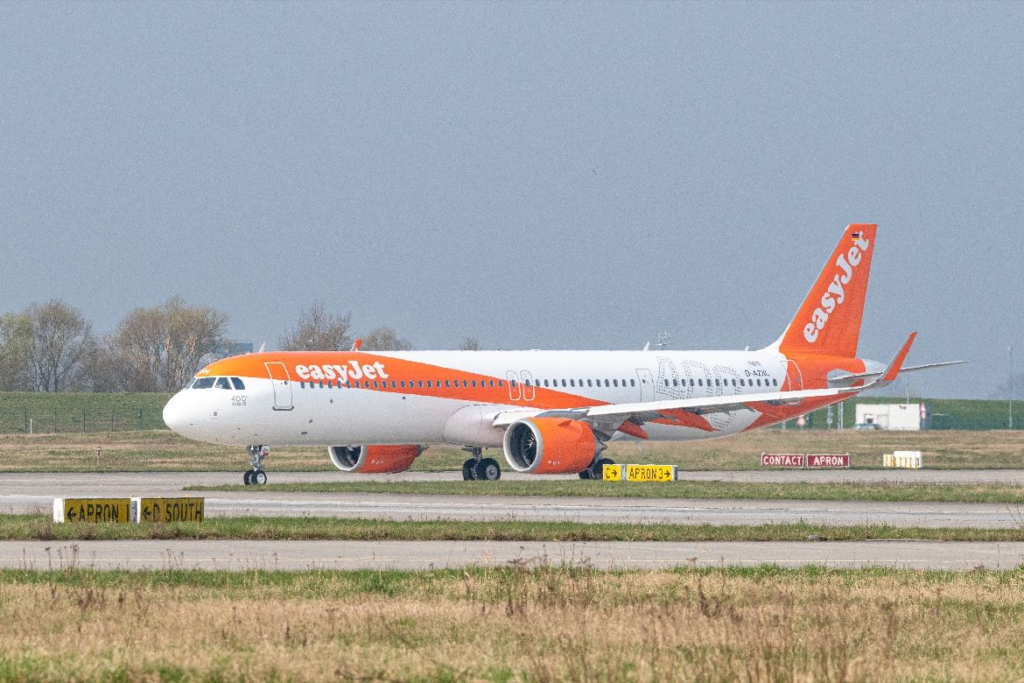
easyJet operates an Airbus-only fleet, centred on the A320 family with current aircraft including the following.
- Airbus A319-100 – 82
- Airbus A320-200 – 180
- Airbus A320neo – 75
- Airbus A321neo – 21
The airline also has 125 Airbus A320neo and 165 Airbus A321neo aircraft on order.
ALSO READ:
Requirements To Become A Pilot for easyJet
easyJet has the following requirements for its first officers.
- Age: At least 18 years old by the start of the training course (no upper age limit).
- Education: Minimum 5 GCSE grades 4–9 (A–C) or equivalent, including English, Mathematics, and Science, plus 2 other subjects.
- Medical: Ability to pass and hold an EASA or UK CAA Class 1 Medical Certificate.
- Right to Work: Unrestricted legal right to live and work in the UK, EU, EEA, or Switzerland.
- Language: Fluent written and spoken English (minimum ICAO Level 4 for entry, Level 5 for direct entry).
- Valid EASA/UK CPL and Instrument Rating (IR) or ATPL.
- Flight Experience: Minimum 500 total flying hours.
- Type Rating: Type-rated applicants need A320 family experience; non-type-rated applicants require multi-crew experience on aircraft over 10 tonnes MTOW.
In addition to the above, captains must match the additional criteria as follows.
- Valid EASA or UK ATPL.
- Total Hours: At least 4,000 total flying hours.
- Command Hours: Minimum 1,000 Pilot-in-Command (PIC) hours on the A320 family (or 1,000 PIC hours on other jet aircraft over 30 tonnes MTOW for non-type-rated applications).
ALSO READ: Aer Lingus Pilot Salary in 2026
Hiring Process for easyJet Pilots
Here are the steps in EasyJet’s recruitment process for its pilots
- Online Application – Candidates apply for a specific vacancy, provide their personal and professional information and upload documents such as their CV, passport, medical certificate, licence and logbook. easyJet reviews applications against the current requirements for the position.
- Online Testing – Applicants complete aptitude assessments covering areas such as verbal, numerical and spatial reasoning. A personality questionnaire is also included as part of the assessment process.
- Application Review – The recruitment team checks the candidate’s qualifications, flying experience, documents and responses before deciding whether to invite them to an assessment centre.
- Non-Technical Assessment – Candidates take part in a group exercise and competency-based interview. The assessment may take place virtually or at one of easyJet’s simulator centres.
- Technical Assessment – Direct-entry captains and co-pilots complete a simulator assessment designed to evaluate their technical flying standard, aircraft handling and operational skills.
- Final Selection – Candidates who complete the assessments proceed through the remaining employment, documentation and onboarding requirements before receiving an offer.
easyJet says its assessment centres for direct-entry co-pilots and captains are held at its training centres in London Gatwick or Milan, depending on the recruitment process.
Bottom Line
In 2026, easyJet offers a highly competitive pilot salary package within Europe’s short-haul airline market. First officers generally earn between £74,000 and £92,000 per year, while captains can earn approximately £152,000 to £174,000 annually, depending on seniority, contract and additional earnings.
The combination of strong pay, a modern Airbus fleet, extensive European network, opportunities for command progression and a lifestyle centred around short-haul flying makes easyJet an attractive option for pilots looking to build a long-term European airline career.
easyJet Pilots Salary FAQs
easyJet pilots generally earn between £74,000 and £174,000 per year, depending on rank, seniority, contract and flying activity.
Type-rated captains require at least 4,000 flying hours, including 1,000 hours as pilot-in-command on the A320.
easyJet pilots primarily fly Airbus A319, A320, A320neo and A321neo aircraft across the airline’s European network.
Stay tuned with us. Further, follow us on social media for the latest updates.
Join us on Telegram Group for the Latest Aviation Updates. Subsequently, follow us on Google News