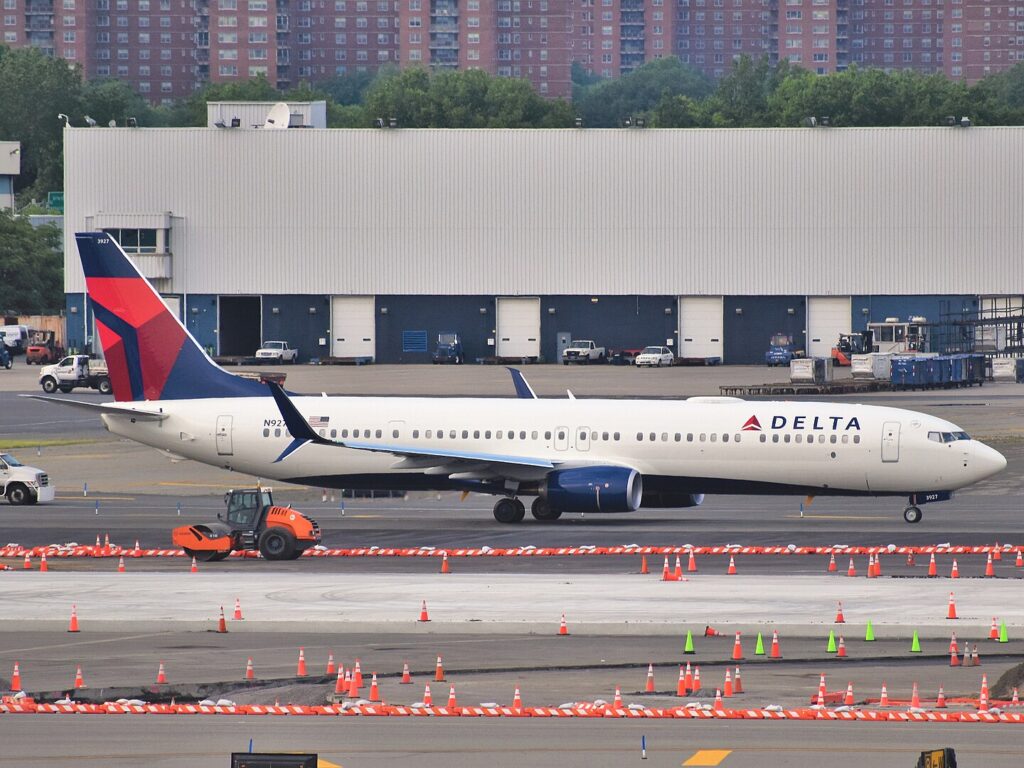
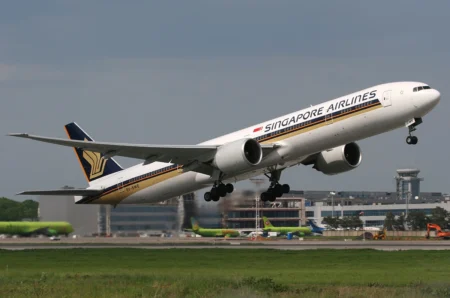
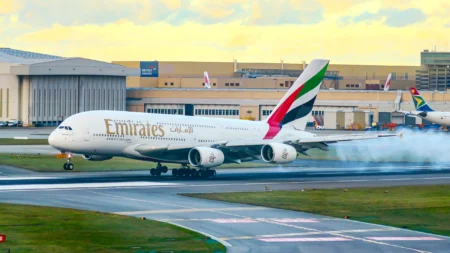
ATLANTA- Delta Air Lines (DL) CEO Ed Bastian says the carrier wants to be recognized alongside premium global airlines such as Singapore Airlines (SQ), Qatar Airways (QR), and Emirates (EK). The ambition reflects Delta’s long-term strategy to strengthen its international reputation beyond the United States.
However, comparisons with leading carriers from Asia and the Middle East have sparked debate as Delta Air Lines (DL), operating from its largest hub at Hartsfield-Jackson Atlanta International Airport (ATL), continues to face questions over service consistency, premium products, and operational reliability.

Can Delta Match the World’s Best Airlines?
During an appearance on the Airlines Confidential podcast, Delta CEO Ed Bastian outlined his vision of positioning Delta among the world’s elite airlines rather than simply being viewed as one of the best carriers in the United States.
Bastian explained that while Delta already considers itself a leader in the U.S. travel industry, the airline wants travelers to immediately think of Delta whenever discussions turn to the world’s leading airlines. That places Delta in direct comparison with internationally acclaimed carriers such as Singapore Airlines, Qatar Airways, and Emirates.
The ambition highlights Delta’s confidence in its brand. Yet many industry observers believe the airline’s actual customer experience has not consistently reached the standards set by those global competitors.
Aviation consultant Henry Harteveldt summarized that viewpoint by describing Delta as a good airline rather than a truly great one. His comments reflect a broader industry discussion about whether Delta’s reputation currently exceeds its actual product quality, ViewfromtheWing reported.
Delta’s Strong Brand Remains Its Biggest Advantage
Over the past two decades, Delta has successfully built one of the strongest airline brands in North America.
Its reputation has been supported by several strengths, including:
- Generally friendly frontline employees.
- A premium-focused marketing strategy.
- A successful partnership with American Express.
- A large network connecting domestic and international destinations.
- Modern airport lounges across major hubs.
These advantages have helped Delta generate higher premium revenues than many domestic competitors.
The airline’s co-branded American Express credit card partnership has become one of its largest profit drivers, reinforcing Delta’s premium positioning in the U.S. market.
However, critics argue that Delta’s brand perception has gradually become stronger than the actual onboard experience.
For example, Delta’s economy class legroom is broadly similar to competing U.S. airlines. Its SkyMiles loyalty program is frequently criticized for limited redemption value, while some travelers consider United Airlines’ mobile app more capable and user-friendly.
These factors suggest that Delta’s premium image is driven as much by effective branding as by measurable differences in passenger experience.
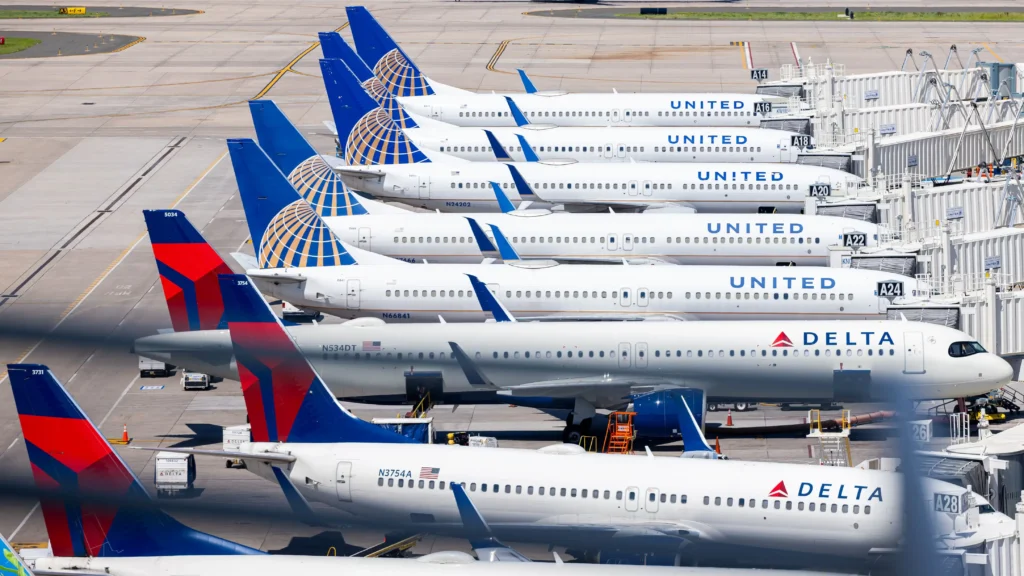
Reliability Has Become a Growing Concern
Operational reliability was once one of Delta’s strongest competitive advantages.
Before the COVID-19 pandemic, the airline consistently ranked among the most dependable major U.S. carriers. That reputation helped justify higher fares and strengthened customer loyalty.
Recent performance, however, has raised concerns.
Delta experienced significant operational disruptions during the summer travel season. According to the source material, the airline canceled nearly 3% of its flights in July, performing worse than United Airlines (UA), American Airlines (AA), and even Southwest Airlines (WN), which recorded substantially fewer cancellations.
Company executives attributed part of the challenge to labor-related issues involving pilot agreements, while acknowledging that operational improvements remain necessary.
Although weather continues to affect airline performance across North America, industry analysts believe Delta’s reliability no longer clearly stands above its competitors.
Premium Product Still Trails Leading International Airlines
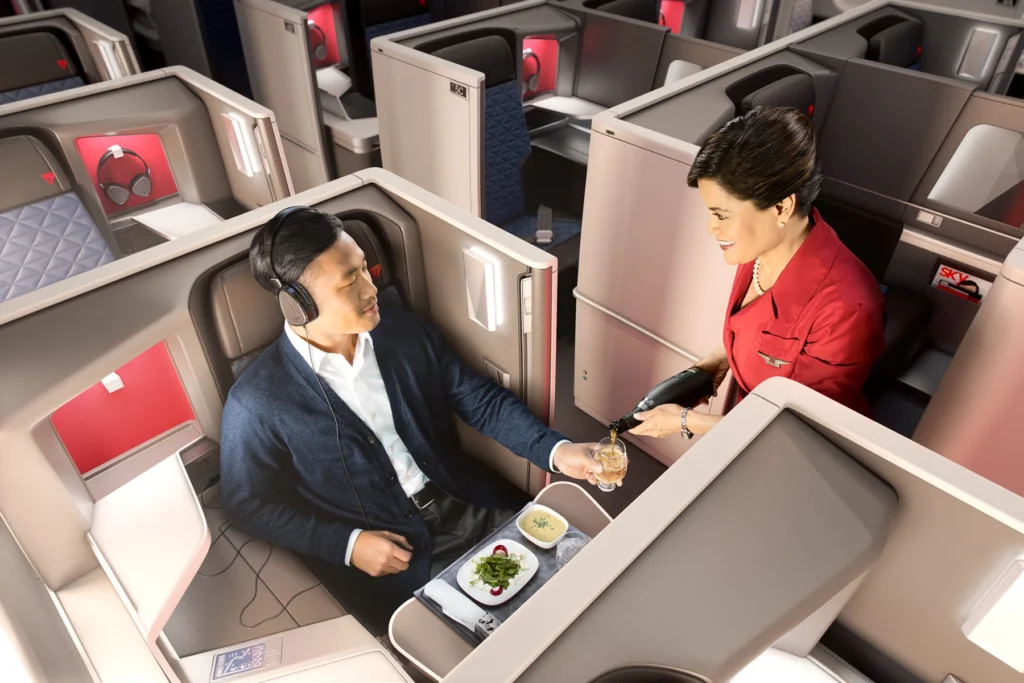
Delta has invested heavily in its premium image, particularly through enhanced airport lounges, upgraded onboard dining, and expanded premium cabin offerings.
Marketing campaigns frequently describe Delta as redefining inflight dining and creating elevated travel experiences through partnerships with well-known chefs.
Despite these efforts, passenger reviews remain mixed.
Some analysts believe Delta’s onboard catering still falls behind Alaska Airlines (AS), while others argue that American Airlines has improved its premium meal offerings enough to compete effectively.
The airline also continues operating aging Boeing 767 aircraft equipped with business class cabins that are considered outdated compared with newer products offered by global competitors.
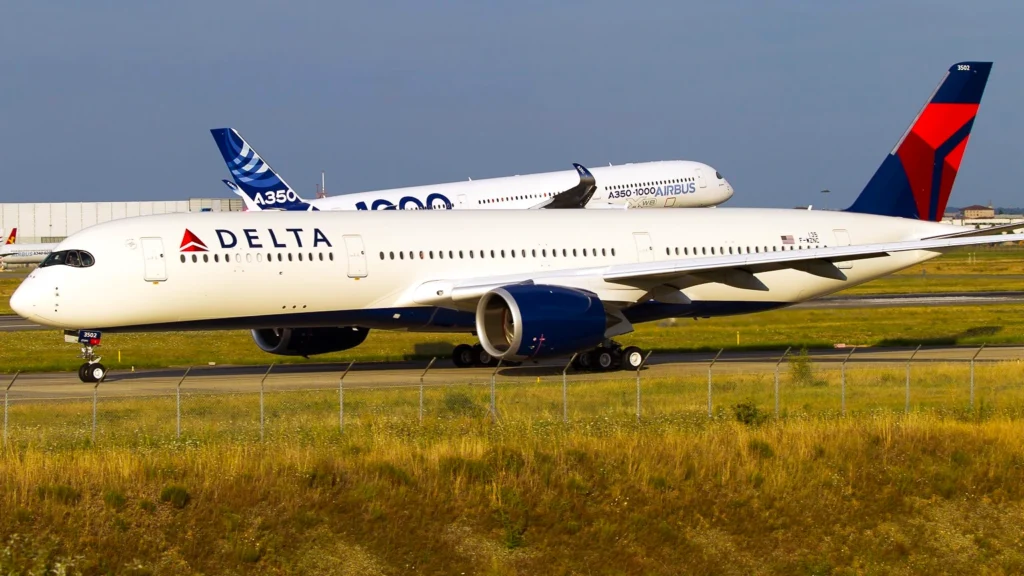
While Delta One suites on newer Airbus A350 and Airbus A330neo aircraft receive favorable reviews, the overall long-haul experience remains inconsistent because of fleet variation.
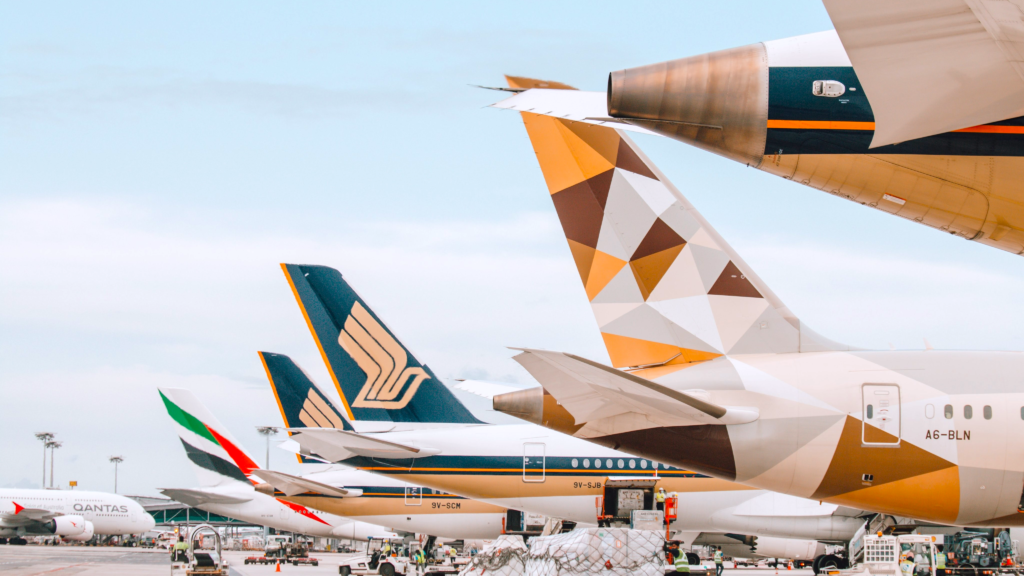
Why Singapore Airlines Continues to Set the Benchmark
Singapore Airlines has earned its global reputation through consistent attention to detail rather than relying on a single standout feature.
Its business class seat may not be universally regarded as the industry’s best, especially compared with Qatar Airways’ Qsuite or Emirates’ latest First Class suites.
Instead, Singapore Airlines focuses on delivering consistency throughout every aspect of the passenger journey.
Cabin crews undergo extensive training that emphasizes professionalism and personalized service.
Inflight catering receives continuous refinement.
Even economy class passengers benefit from thoughtful cabin features, quality bedding, carefully designed seating ergonomics, and attentive service standards.
These details collectively reinforce the airline’s premium identity regardless of the cabin being flown.
The airline’s long-standing “Welcome to World Class” branding reflects this philosophy by highlighting service excellence across the entire aircraft rather than showcasing only its most luxurious cabins.
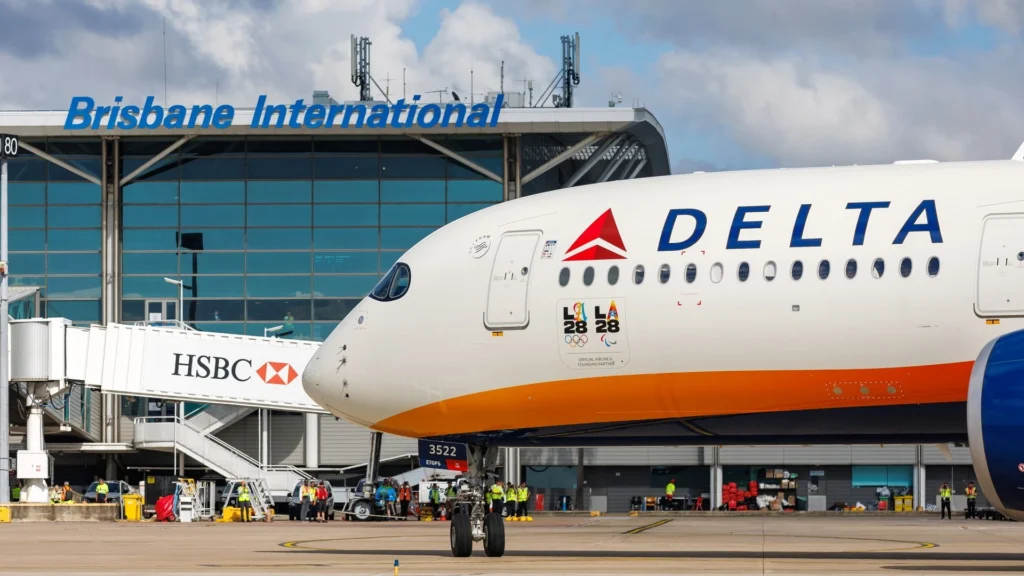
Delta’s Premium Strategy Has Lost Momentum
Before the pandemic, Delta introduced several initiatives designed to elevate the passenger experience.
These included:
- Welcome beverages in premium cabins.
- Multi-course meal service.
- Hot towel service in economy on selected flights.
- Expanded premium cabin amenities.
Many of these enhancements were reduced or discontinued during the pandemic recovery period.
As travel demand returned, Delta focused heavily on restoring operations and managing staffing challenges. While the airline has introduced new dining partnerships and refreshed some onboard offerings, critics argue that several premium touches have yet to fully return.
This has contributed to the perception that Delta’s product has become less differentiated than before.
What Delta Must Improve to Earn Global Recognition
If Delta intends to compete directly with airlines such as Singapore Airlines, Qatar Airways, and Emirates, several areas require sustained improvement.
The airline would likely need to:
- Accelerate the replacement or modernization of older Boeing 767 business class cabins.
- Restore industry-leading operational reliability.
- Improve consistency in catering, bedding, and onboard service across the fleet.
- Deliver greater attention to detail throughout the economy class experience.
- Strengthen the value proposition of the SkyMiles loyalty program.
Achieving excellence across these areas would help align Delta’s premium branding with the customer experience delivered onboard.
Bottom Line
Delta Air Lines has built one of the strongest airline brands in the United States and remains among the country’s most financially successful carriers. Its premium positioning, customer loyalty, and extensive network continue to provide significant competitive advantages.
However, comparisons with globally recognized airlines such as Singapore Airlines, Qatar Airways, and Emirates remain challenging. While Delta continues to perform well in many areas, improvements in operational reliability, service consistency, premium cabin products, and customer experience will likely determine whether it can genuinely join the ranks of the world’s leading airlines.
Stay tuned with us. Further, follow us on social media for the latest updates.
Join us on Telegram Group for the Latest Aviation Updates. Subsequently, follow us on Google News