ISTANBUL— Turkish Airlines (TK) plans to increase flights across East Asia, Southeast Asia and Oceania by 15%-20% over the coming years as it shifts more capacity toward long-haul markets. The strategy puts China and Australia at the center of its Asian expansion, supported by growing demand and a large wide-body aircraft order.
Turkish Airlines will use Istanbul Airport (IST) as its main connecting hub as it seeks to create a stronger Europe-Asia travel corridor.
The carrier has already expanded its China schedule and plans to launch Chengdu flights in November, while nonstop services to Australia are targeted from 2028.
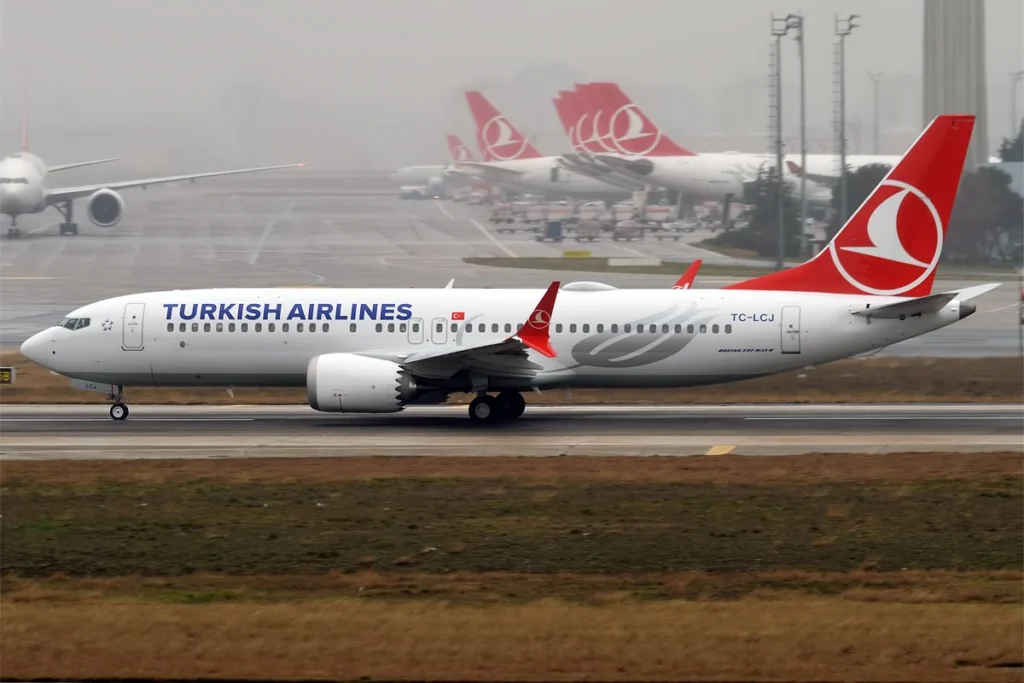
Turkish Airlines Big Asia Plans
Chairman Murat Şeker told Nikkei Asia that the airline considers East Asia, Southeast Asia and Oceania among its strongest-performing markets. Turkish Airlines expects to add 15%-20% more frequencies in these regions as its wide-body fleet expands.
The carrier has already increased its China schedule to 42 weekly flights, up from 21 weekly services previously. A new agreement between Türkiye and China has also increased the permitted capacity for each country to 49 weekly flights, giving Turkish Airlines additional room for expansion.
Turkish Airlines has increased frequencies to Beijing, Shanghai and Guangzhou, while it will begin flying to Chengdu Tianfu International Airport (TFU) from November 11. The Chengdu service will operate three times weekly using a Boeing 787-9.
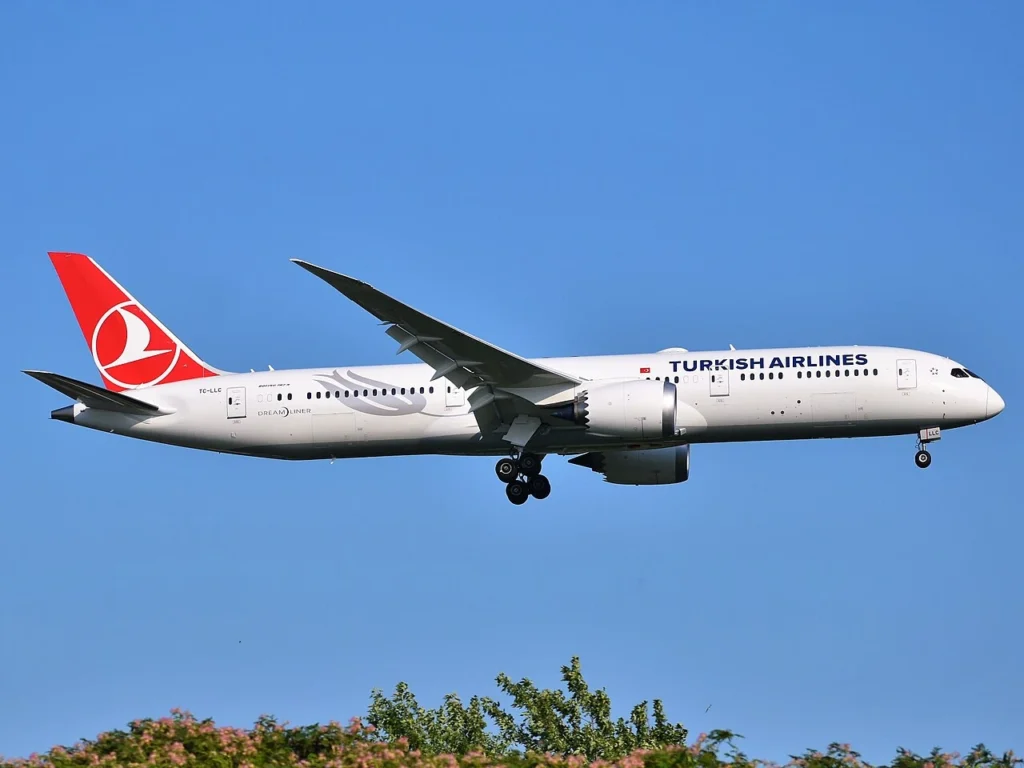
Turkish’s China Network Expands
China has become an increasingly important market for Turkish Airlines as passenger demand between Asia and Europe changes. The airline has also identified further opportunities in western China, with Urumqi and other destinations under consideration.
The carrier’s wider Asian schedule has grown alongside stronger demand. During the 2026 summer season, Turkish Airlines increased services to Beijing, Guangzhou, Hong Kong, Shanghai, Singapore and Tokyo, adding frequencies across several major Asian markets.
The airline also expects its Asia growth to benefit from its geographic position. Istanbul allows Turkish Airlines to connect passengers between Europe, Africa and Asia through a single hub while competing directly with major Gulf carriers.
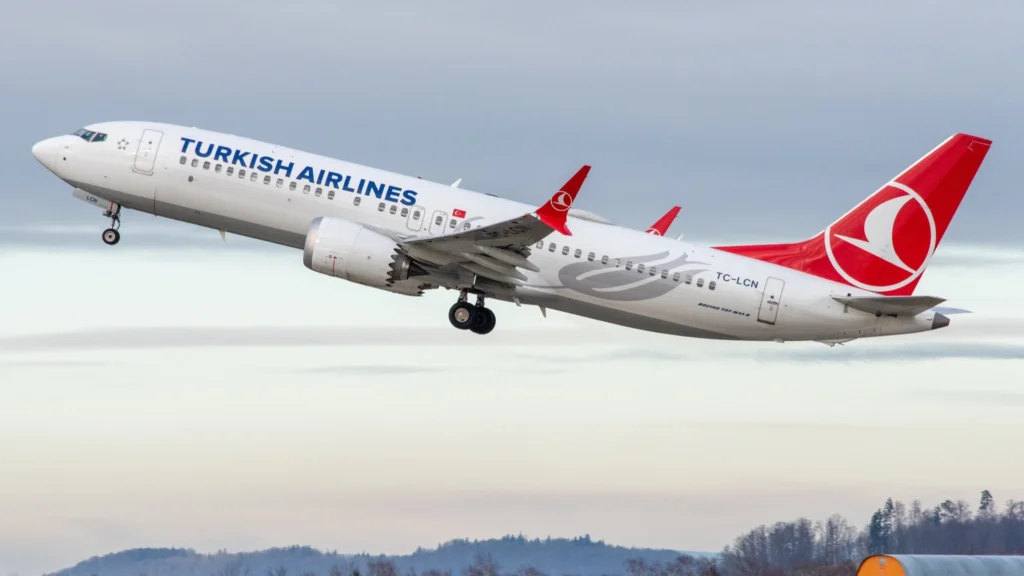
Australia Flights Planned
Australia represents another major part of the long-term expansion. Turkish Airlines plans to introduce nonstop flights to Australia using specialized Airbus A350-1000 aircraft, with Sydney and Melbourne identified as key destinations.
From 2028, the airline also plans to introduce premium economy on long-haul routes, which it expects to strengthen revenues from markets such as Australia.
Its ultra-long-haul strategy will allow the carrier to reduce its reliance on connecting services and offer more direct links between Istanbul and distant markets.
Fleet growth will provide the foundation for the expansion. Turkish Airlines has ordered nearly 420 aircraft, while its long-term fleet is expected to approach 800 aircraft as new Boeing and Airbus jets arrive over the next decade.
The airline’s second-quarter performance highlights the importance of these markets. Revenue increased 20.5% year over year to $7.2 billion, while passenger demand from Asia helped Turkish Airlines achieve an 84% passenger load factor, its highest second-quarter level on record.
Stay tuned with us. Further, follow us on social media for the latest updates.
Join us on Telegram Group for the Latest Aviation Updates. Subsequently, follow us on Google News