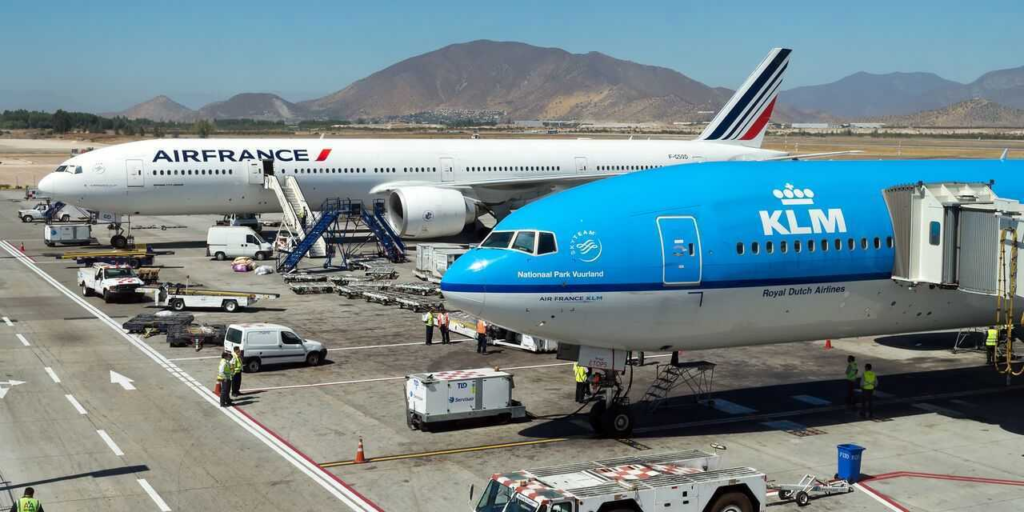
NEW YORK- Air France (AF) Boeing 777-300ER, registration F-GZNT, returned to John F. Kennedy International Airport (JFK) after the crew reported a possible bird strike and a burning smell in the cockpit shortly after takeoff.
The aircraft was operating Air France flight AF5 from John F. Kennedy International Airport (JFK), New York, to Paris Charles de Gaulle Airport (CDG), France. The crew later declared PAN-PAN and landed safely on runway 22L.
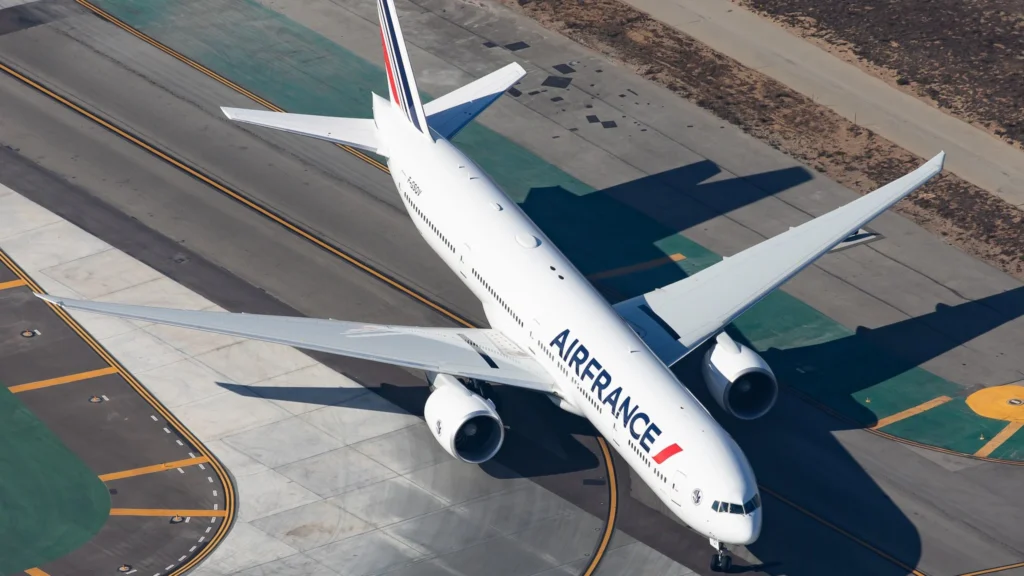
Air France Boeing 777 Turns Back to JFK
Air France flight AF5 departed New York John F. Kennedy International Airport for Paris on August 24, 2026, with 314 people on board, according to the crew’s communication with air traffic control.
During the initial climb, the pilots informed controllers that the aircraft may have struck birds on the runway and asked for the runway to be inspected. Air traffic control coordinated with airport authorities to check the runway for evidence of a bird strike.
Shortly afterward, the pilots reported a burning smell in the cockpit. The crew also said they had donned oxygen masks, which made communication more difficult.
Despite the cockpit issue, the pilots initially continued the climb while assessing the situation. The aircraft was cleared to climb toward flight level 190 and proceed toward Nantucket while controllers continued to gather information about the runway.
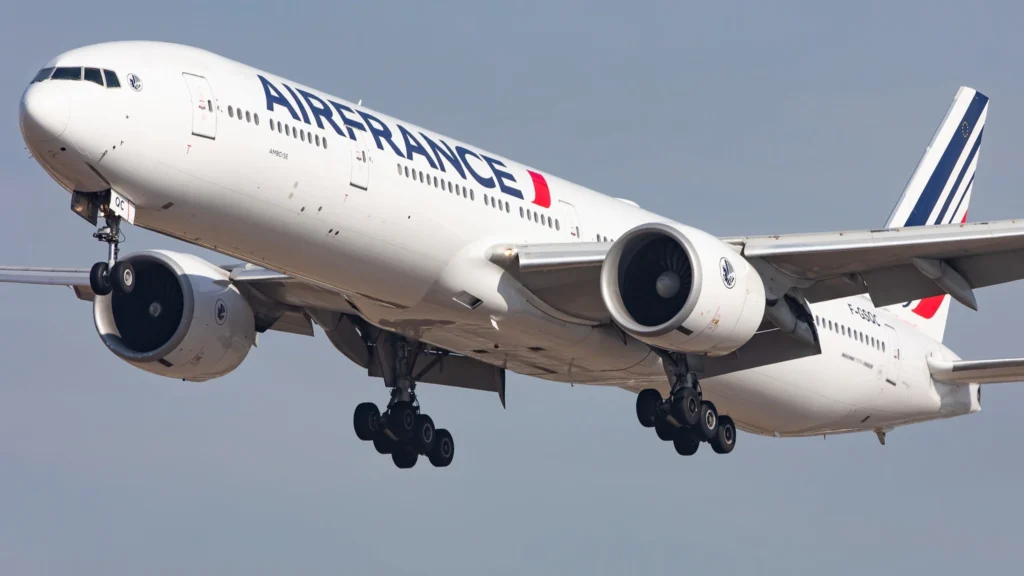
Crew Decides to Return to New York
After initially indicating that the flight could continue, the Air France crew decided to stop the climb and return to JFK.
The aircraft was cleared back toward Kennedy via radar vectors and was instructed to maintain 15,000 feet before subsequently descending to 11,000 feet.
The pilots then declared PAN-PAN, an international urgency signal used when an aircraft or person requires urgent assistance, but the situation does not immediately indicate grave and imminent danger.
The crew told controllers that the aircraft was returning to JFK and requested further clearance for the approach.
ALSO READ: Air France Shanghai to Paris Flight with 777 Makes Emergency Landing at Munich
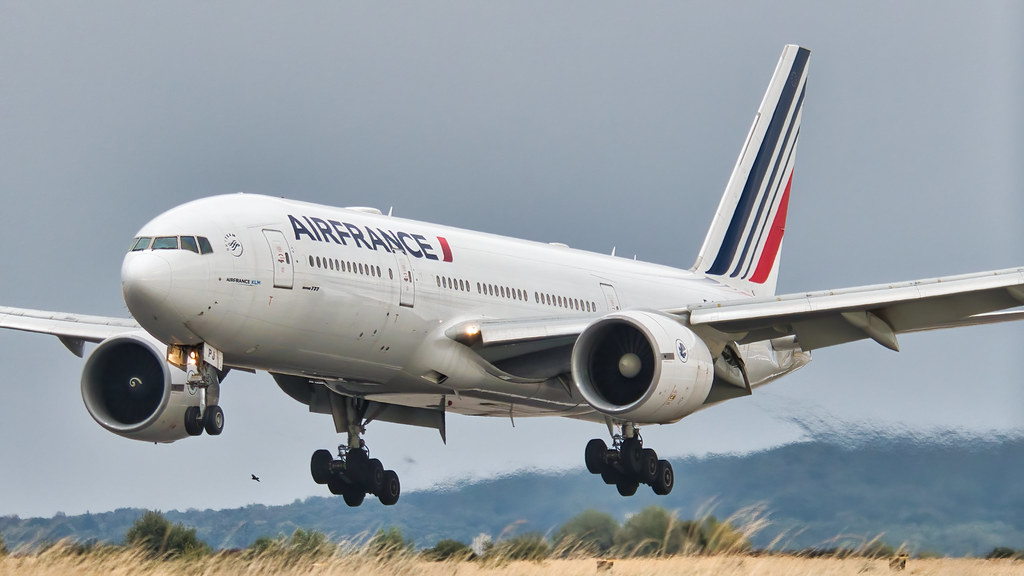
Boeing 777 Faced an Overweight Landing
Because the aircraft had only recently departed for its transatlantic flight, it was carrying a substantial amount of fuel.
The crew initially reported that the Boeing 777 was approximately 10 tonnes overweight for landing. Later, the pilots advised that the excess weight had reduced to about two tonnes.
The crew requested runway 22L for landing. Controllers also asked for the number of people on board and the remaining fuel because the overweight landing was treated as an emergency under airport procedures.
The pilots reported 314 people on board and approximately 48 tonnes of fuel remaining.
Air France Requests ILS Approach
The Boeing 777 was initially cleared for an RNAV approach to runway 22L before the crew requested an ILS approach instead.
Air traffic control approved the request and vectored the aircraft toward the runway 22L localizer. The crew was instructed to descend through 4,000 feet and later to 2,000 feet while being positioned for the approach.
The aircraft was subsequently cleared for the ILS runway 22L approach and transferred to Kennedy Tower.
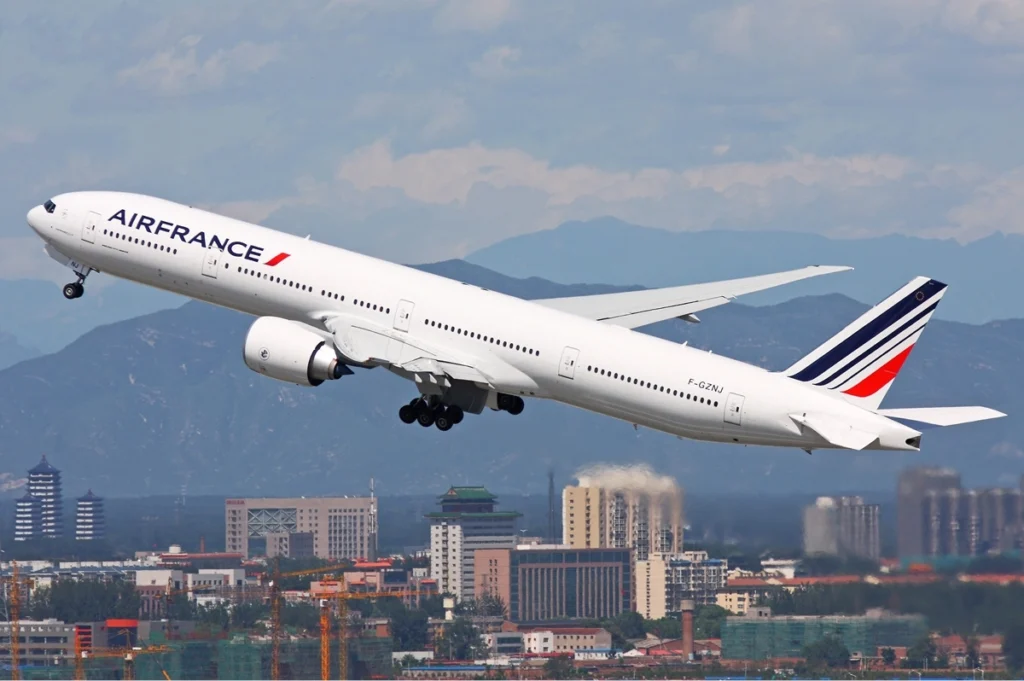
Boeing 777 Lands Safely at JFK
Kennedy Tower cleared the Air France Boeing 777 to land on runway 22L and advised the crew that emergency equipment would be standing by.
The aircraft landed safely and vacated the runway via taxiway Juliet. After landing, the crew requested an inspection, including a brake check.
The aircraft then stopped on the taxiway while airport emergency personnel prepared to inspect it. The available air traffic control recording shows the crew coordinating the stop and subsequent inspection with the tower.
The incident resulted in the Boeing 777 returning to its departure airport rather than continuing the planned transatlantic flight to Paris.
What Happened During the Flight
The sequence began with the crew reporting a possible bird strike during the initial climb from JFK. The subsequent report of a burning smell in the cockpit prompted the crew to use oxygen masks and reassess the flight.
The pilots initially considered continuing but later elected to return to JFK. Air traffic controllers coordinated the runway inspection, provided vectors back to the airport, and arranged an approach with emergency services standing by.
The aircraft completed the return without a reported landing incident. Further technical findings regarding the source of the burning smell or whether the aircraft sustained damage from a bird strike were not provided in the supplied information.
Stay tuned with us. Further, follow us on social media for the latest updates.
Join us on Telegram Group for the Latest Aviation Updates. Subsequently, follow us on Google News